How to Choose Between Human Translation and AI Editing?

Time:2026-07-20 Author:Sophia
0%

Choosing between human translation and AI post-editing can be challenging. Many businesses wrestle with this decision. Renowned language expert Dr. Emily Roberts highlights, “The best choice often depends on the project's specific needs.” This advice is invaluable in navigating the intricacies of translation.

Human translators bring a nuanced understanding of culture and context, essential for high-quality output. They offer insights that machines may miss. In contrast, AI post-editing provides speed and efficiency, making it ideal for projects with tight deadlines. It's important to weigh these pros and cons carefully.

Many projects require a balance of both approaches. However, reliance on AI can lead to overlooked mistakes. It’s crucial to assess the importance of accuracy based on the target audience. The question remains: How to choose between human translation and AI post-editing? Each option has its strengths and weaknesses. Making an informed choice can significantly impact the success of your translation efforts.
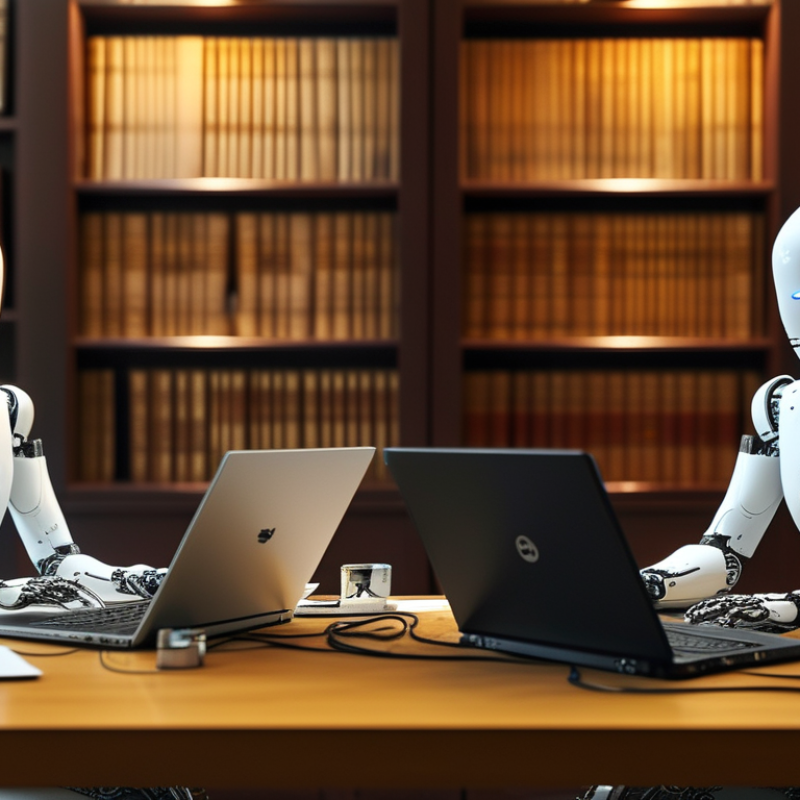
How to Choose Between Human Translation and AI Editing?

Understanding the Basics: Human Translation vs. AI Editing

When considering translation choices, understanding the basics of human translation and AI editing is crucial. Human translators bring cultural insights and emotional depth to their work. They understand context and nuances. For instance, an idiom may not translate properly. A human can adapt it skillfully, ensuring meaning remains intact.

On the other hand, AI editing offers speed and efficiency. AI tools can process large volumes of text quickly. They use algorithms to suggest changes based on language rules. However, they may miss idiomatic expressions or subtle tones, leading to less than perfect translations. This gap highlights the importance of having human oversight in AI-generated content.

In many cases, a blend of both methods proves beneficial. Human translators can refine AI outputs, ensuring clarity and relevance. Sometimes, AI suggestions can help speed up the revision process. It's essential to recognize both options have strengths and weaknesses. Balancing them can optimize the translation workflow.

How to Choose Between Human Translation and AI Editing? - Understanding the Basics: Human Translation vs. AI Editing

Criteria Human Translation AI Editing
Accuracy High, nuanced understanding of context Varies, depends on complexity of text
Speed Slower, requires time for reflection Fast, can process large volumes quickly
Cost Higher due to skilled labor Lower, often subscription-based services
Cultural Sensitivity Excellent, incorporates cultural nuances Limited, may miss subtle cultural references
Error Handling Can spot and correct errors effectively Often requires human review for mistakes
Personalization High, tailored to client’s tone and style Basic, lacks personalized touch

Evaluating Quality: Accuracy and Nuance in Human Translation

When evaluating translation services, accuracy is paramount. Human translators possess a deep understanding of cultural nuances. They can interpret idioms, feelings, and context in a way that machines struggle with. For instance, a simple phrase may carry different meanings in different cultures. A human can navigate these subtleties, providing a translation that resonates with the target audience.

AI editing, while improving rapidly, often lacks emotional depth. It can produce grammatically correct text but misses the essence of human expression. Consider a marketing slogan; AI might translate the words accurately but fail to capture the brand's voice. This can lead to potential miscommunication and alienation of the audience. It's crucial to reflect on work quality. Relying solely on AI can result in oversight of these vital elements.

Each method has its strengths and weaknesses. Relying solely on AI may yield quick results but at a cost. Human translators bring experience and creativity, which are invaluable. The choice between the two should not be taken lightly. Understanding the desired outcome is critical. What feels right? What speaks to the audience? This reflection can guide a better decision.

The Role of Context: How AI Editing Might Fall Short

In the realm of translation, context plays a crucial role. AI editing tools can misinterpret nuances, leading to inaccuracies. A study conducted by the American Translators Association notes that 60% of translation errors stem from ignoring context. This highlights how AI, despite advancements, may struggle with subtleties inherent in language.

For example, idiomatic expressions and cultural references can trip up AI algorithms. A phrase that makes sense in one language might lose meaning when translated literally. AI systems often lack the ability to grasp the emotional undertones behind words. According to a report from ResearchGate, human translators achieve a 95% accuracy rate by understanding these contextual elements.

Furthermore, an over-reliance on AI editing can lead to homogenized content. Unique voices and styles risk being diluted through automated processes. A nuanced understanding of specific industries or local dialects is often absent in AI models. AI can assist, but it should not fully replace human insight, especially when it comes to context. Embracing a hybrid approach that leverages both AI and human expertise may yield the best results.

Cost Considerations: Comparing Human Translation and AI Services

When deciding between human translation and AI editing, cost plays a significant role. Human translators often charge higher fees due to their expertise and time investment. They bring cultural understanding and context, which can be crucial for nuanced content. However, machine translation services are typically more affordable and deliver faster results. They can handle large volumes of text without the need for breaks.

It's essential to consider your project's specific needs. For technical documents, human translation may yield better results. A skilled translator can ensure accuracy and clarity. On the other hand, for simple content or preliminary drafts, AI editing may suffice. This option can save costs, but it may lack the human touch. Mistakes can occur, and meaning might get lost or altered.

Budget constraints often force tough choices. While AI is cost-effective, it may not always provide reliable quality. Human translators may charge more, but they offer a level of expertise that machines cannot replicate. Striking a balance between cost and quality is crucial. The best choice depends on the nature of your content and the importance of precise communication.

Industry Trends: The Rise of AI in Translation and Its Impact on Jobs

The translation industry is witnessing a significant shift due to the rise of AI technologies. More companies are adopting AI tools for their translation needs. This trend raises important questions about the implications for human translators. While AI can efficiently handle straightforward tasks, it sometimes lacks the nuance and cultural sensitivity that only a human can provide.

Jobs in translation are being reshaped. Some positions may diminish as AI becomes more efficient. However, new opportunities are emerging for skilled translators who can work alongside AI tools. This hybrid approach can enhance productivity and maintain quality. The challenge lies in adapting to this new landscape and understanding when to rely on technology versus traditional methods.

Professionals in the field need to stay adaptable. Continuous upskilling and a strong grasp of AI capabilities will be essential. It’s crucial to embrace this technology while recognizing its limitations. Relying solely on AI could lead to oversights and misinterpretations in complex texts. Balancing human expertise with AI efficiency will define the future of translation.

FAQS

: What is the main advantage of human translation?

: Human translators understand cultural nuances and context better than AI, ensuring accuracy in meaning.

How does AI editing affect emotional depth in translations?

AI can create grammatically correct text, but it often lacks the emotional richness of human expression.

What happens when AI ignores context in translation?

Ignoring context leads to inaccuracies, as AI may misinterpret idioms and cultural references.

Why is reflecting on translation quality important?

Reflecting on quality helps ensure the translation resonates with the audience and captures the intended meaning.

Can reliance on AI in translation lead to issues?

Yes, an over-reliance on AI may produce homogenized content, missing unique voice and style.

What is a potential risk of allowing AI to fully replace human translators?

Relying solely on AI may result in oversights and misinterpretations in complex texts.

How can a hybrid approach benefit the translation process?

Combining AI and human expertise can enhance productivity while maintaining translation quality.

What should professionals in the translation field focus on?

They should adapt to new technologies, continually upskill, and understand AI's limitations.

What percentage of translation errors are due to ignoring context?

A study indicates that 60% of translation errors stem from overlooking contextual elements.

What does it mean to adapt in the translation industry?

Adapting means knowing when to use technology and when to apply traditional human translation methods.

Conclusion

In the evolving landscape of translation services, the question of "How to choose between human translation and AI post-editing" has become increasingly relevant. Understanding the basics, it's important to recognize that human translation typically offers higher accuracy and nuance, essential for conveying subtle meanings and cultural contexts. However, AI editing can streamline processes and reduce costs, though it often struggles with context sensitivity, which might lead to misinterpretations.

Cost considerations also play a significant role in this decision-making process, as human services are generally more expensive than AI options. Furthermore, industry trends indicate a notable rise in AI's role in translation, raising concerns about its impact on job availability. Ultimately, the choice between human translation and AI post-editing should be guided by the specific needs of the project, including quality, context, and budget.

Sophia

Sophia

Sophia is a dedicated marketing professional with an exceptional depth of knowledge about her company's products and services. With a keen understanding of market trends and customer needs, she crafts insightful blog posts that not only inform but also engage readers, enriching the company’s online......