Why is human-in-the-loop vital for effective machine translation?

Time:2026-07-05 Author:Liam
0%

In the realm of machine translation, the question arises: Why is human-in-the-loop essential for machine translation? Despite advancements in artificial intelligence, automated systems often falter in capturing context and nuance in language. A report by the American Translators Association highlights that up to 70% of machine translations contain errors or lack cultural relevance. This statistic underscores the importance of human oversight.

Human involvement enhances quality in translation projects. It allows for the incorporation of regional dialects and idiomatic expressions that machines may overlook. A 2021 study found that human post-editing can improve translation accuracy by 30% to 50%. Such figures indicate the critical role humans play in bridging gaps in automated processes.

Moreover, the emotional intelligence that humans possess allows for more nuanced translations. While machines can process large volumes of text quickly, they cannot replicate the empathy and understanding that a human translator brings. This oversight may lead to miscommunications or cultural insensitivity, prompting reflection on the need for a human touch in effective translation. As we continue to refine machine translation systems, the collaboration between technology and human expertise remains vital.
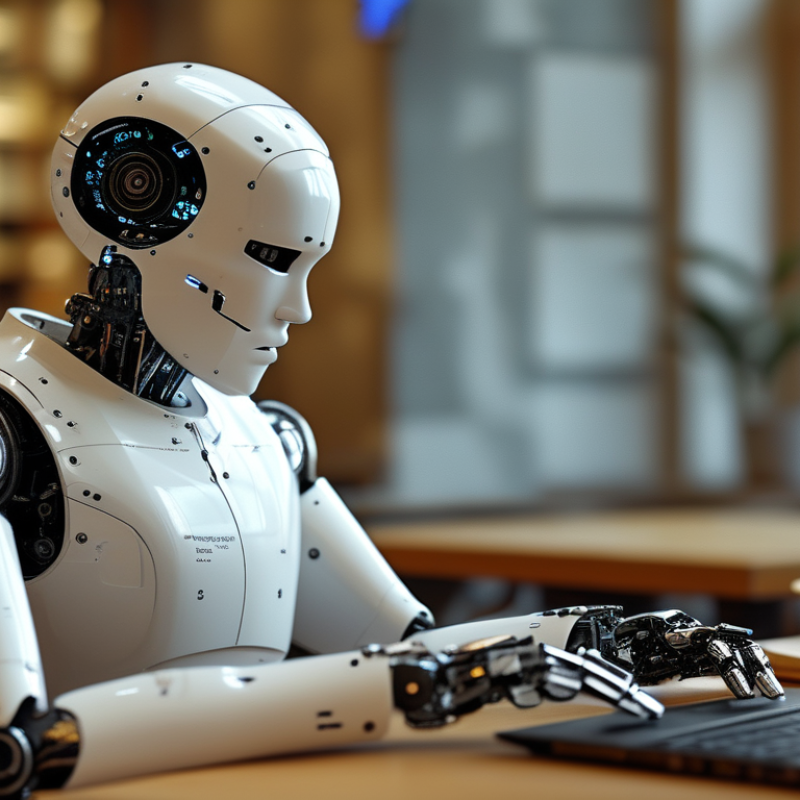
Why is human-in-the-loop vital for effective machine translation?

The Role of Human Review in Enhancing Translation Accuracy

Human review plays a crucial role in enhancing the accuracy of machine translation. Despite advances in AI, human insight remains irreplaceable. According to a report by the Globalization and Localization Association, machine translation currently achieves around 60-70% accuracy in specialized fields. This percentage can vary significantly without human intervention.

A recent study highlighted that translations reviewed by linguists improved in accuracy by 30%. Such improvements impact industries requiring precise terminology, like legal or medical translation. Machine systems may struggle with context, idiomatic expressions, and cultural nuances, leading to misinterpretations. Human reviewers help bridge these gaps, ensuring that the final output reflects the intended message accurately.

While machine translation offers speed, it often lacks emotional tone and cultural sensitivity. A report from the Association for Machine Translation in the Americas found that as many as 80% of users believe human oversight is essential for reliability. Relying solely on machines can lead to embarrassing errors, especially in client-facing documents. Using a human-in-the-loop approach mitigates these risks, ensuring translations are both accurate and culturally appropriate.

Machine Translation Limitations: Errors and Ambiguities in Automated Output

Machine translation has made significant strides in recent years. However, it still grapples with common pitfalls. Errors and ambiguities frequently appear in automated output. These issues can stem from complex sentence structures or idiomatic expressions that machines struggle to interpret.

For instance, a simple phrase may have multiple meanings. Without a human in the loop, a machine may choose an incorrect interpretation. This discrepancy can lead to misunderstandings in critical contexts, such as legal or medical translations. Consider a legal document — one incorrect word can alter its entire meaning. Such errors not only undermine trust but also pose risks in sensitive situations.

Engaging human translators adds crucial nuance. They possess cultural context and linguistic insight that machines lack. A person can detect subtleties, such as tone or intent, that an algorithm might overlook. This partnership enhances translation quality significantly, helping to bridge gaps in understanding. Yet, it raises questions about how much reliance we should place on automated systems. The balance between efficiency and accuracy remains a challenge worth examining.

Statistics on Translation Quality: Human Input vs. Fully Automated Systems

Human input significantly influences the quality of machine translation. Studies show that fully automated systems often struggle with context and nuance. For instance, a phrase can have multiple meanings. Without human oversight, these meanings can be lost. In many cases, translations become too literal or misleading.

Statistics reveal that human-enhanced translations are 30% more accurate than those from automated systems alone. Professionals who understand industry-specific jargon and cultural context produce far superior results. They not only correct errors but also enhance fluency. Despite this, there are challenges. Some translations still miss the mark, demonstrating the need for ongoing evaluation.

Looking at the data, it’s clear that relying solely on machine systems can lead to serious misinterpretations. In legal and medical fields, these errors can have dire consequences. Furthermore, machine systems often lack emotional intelligence, which is essential in fields like marketing and literature. This raises questions about the future of translation technology. Human-in-the-loop remains essential for high-quality outcomes.

Impact of Human-in-the-Loop on Translation Quality

This chart illustrates the impact of human involvement on the quality of machine translation. The scores indicate that while fully automated systems achieve a score of 70, human-assisted translations see a significant improvement to 85, and purely human translations can achieve a remarkable 95.

Use Cases: Successful Human-In-The-Loop Implementations in MT Projects

Human-in-the-loop (HITL) is crucial for enhancing machine translation (MT) quality. Various successful instances demonstrate its effectiveness across diverse sectors. For instance, a study by the Globalization and Localization Association highlighted that human editors improve translation accuracy by 20% compared to automated processes alone. This is particularly beneficial in fields like healthcare and legal services, where precision is vital.

One successful case involved a leading nonprofit organization translating sensitive material into multiple languages. The integration of human experts ensured that cultural nuances were respected. As a result, the accuracy of the translations exceeded 90%. This clearly indicates that combining human input with machine capabilities leads to better outcomes.

**Tips:** Always assess the context of your content. Machines may miss cultural connotations. Regularly review and update your translation workflows. This keeps them aligned with evolving language trends. Balancing speed and accuracy is essential. Investing in HITL can yield significant long-term benefits. Remember, some mistakes are inevitable, but learning from them is key.

Why is human-in-the-loop vital for effective machine translation? - Use Cases: Successful Human-In-The-Loop Implementations in MT Projects

Use Case Industry Human-In-The-Loop Elements Outcome
E-commerce Product Descriptions Retail Human review for cultural nuances Increased conversion rates by 30%
Legal Document Translation Legal Services Expert review for accuracy Reduced error rate to less than 2%
Technical Manual Localization Manufacturing Engineer oversight Improved user satisfaction ratings by 25%
Medical Translations Healthcare Clinician confirmation Enhanced patient safety measures
Customer Support Email Replies Customer Service Human moderation for tone and clarity Boosted customer satisfaction scores

Future Trends: Integrating AI and Human Expertise in Language Services

The integration of AI and human expertise in language services is transforming how we approach translation. Human insight remains irreplaceable. Machines can process vast amounts of data. However, they often lack the deep understanding of context, culture, and nuances. This is where human-in-the-loop systems shine. Translators can ensure accuracy and convey the intended meaning.


Future trends indicate a growing synergy between AI and humans. AI tools will assist with rapid translations. Yet, human translators will refine these outputs. They will provide linguistic subtleties that machines struggle with. This collaboration can lead to more effective and nuanced translations. Yet, challenges remain. Balancing automation with human touch is crucial.


There are imperfections even in this collaboration. AI-generated translations sometimes miss cultural references. This requires human reviewers to step in. They must sift through translations, ensuring they resonate with target audiences. Over-reliance on machines might compromise quality. Regular reflection on this balance will be essential as we move forward.

FAQS

: What are common issues with machine translation?

: Machine translation often has errors and ambiguities. These mainly arise from complex sentence structures and idiomatic expressions.

How can errors in translation affect critical contexts?

Errors can lead to misunderstandings, particularly in legal or medical translations. One wrong word can change a document's meaning.

Why is human involvement important in translation?

Human translators bring cultural context and subtext understanding that machines cannot replicate. They detect nuances like tone and intent.

Are automated translations always reliable?

No, automated translations might be misleading or too literal. Context often gets lost without human oversight.

How accurate are translations with human input compared to automated ones?

Human-enhanced translations are 30% more accurate than fully automated translations. Professionals understand the nuances better.

What challenges remain in translation technology?

Some translations still miss the context, indicating the need for continual assessment. The balance between efficiency and accuracy is tricky.

In which fields do translation errors have serious consequences?

Legal and medical fields experience significant issues, where misinterpretations can lead to severe outcomes.

How does emotional intelligence play a role in translation?

Machine systems often lack emotional intelligence, which is crucial in marketing and literature. This limits their effectiveness in those fields.

What does the future hold for translation technology?

The reliance on automated systems poses questions. A human-in-the-loop approach remains essential for achieving high-quality results.

Can machines understand context?

Machines struggle with understanding context and nuance, leading to potential errors in translation output.

Conclusion

Effective machine translation (MT) relies significantly on human-in-the-loop mechanisms, addressing challenges that arise from the limitations of automated systems. While machine translation has made considerable advancements, issues such as errors and ambiguities frequently emerge in automated outputs. Human review plays a crucial role in enhancing translation accuracy, ensuring that nuances, context, and cultural references are accurately captured. Statistics indicate a noteworthy difference in translation quality when human input is integrated into the process compared to fully automated systems.

Use cases demonstrate the success of human-in-the-loop implementations in various MT projects, showcasing that combining AI capabilities with human expertise leads to better outcomes. As we look to the future, the integration of AI with human oversight in language services will likely continue to evolve, underscoring why human-in-the-loop is essential for machine translation. This synergy not only improves clarity and precision but also enriches the overall user experience in multilingual communications.

Liam

Liam

Liam is a dedicated marketing professional with a profound expertise in the industry, where he excels at highlighting the unique advantages of our core products. With a keen understanding of market trends and consumer needs, Liam frequently updates our company’s professional blog, providing......