In a world where advertising resonates deeply with culture, understanding customer emotions is vital. Ad campaigns reach their fullest potential when they connect authentically with audiences. As marketing expert John Doe states, "Transcreation ensures the message feels native, not just translated." This highlights how transcreation can elevate an ad’s impact compared to mere direct translation.
Direct translation often overlooks cultural nuances. This approach can lead to misinterpretations or bland messages that fail to engage. On the contrary, transcreation adapts content creatively for local audiences. It captures intent and emotion, ensuring that the original message shines through. Why is transcreation better than direct translation for ads? The answer lies in its ability to blend language artfully with cultural insights.
Ad campaigns should evoke feelings and drive action. Brands that embrace transcreation find greater success in diverse markets. This strategy not only increases brand recognition but also fosters loyalty. As companies reflect on the effectiveness of their messages, transcreation proves to be a powerful tool in bridging gaps between global brands and local consumers.
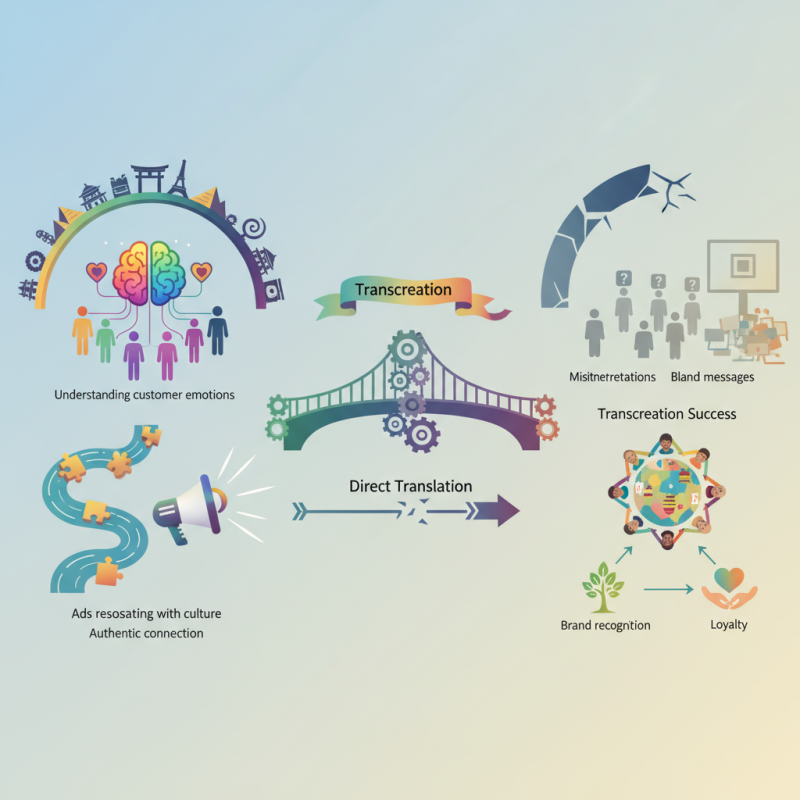
Transcreation is an essential strategy in advertising, focusing on cultural adaptation rather than direct translation. It goes beyond language, aiming to capture the essence of a message in a way that resonates with the target audience. According to a report by the Common Sense Advisory, 72% of consumers are more likely to engage with content in their native language. Transcreation tailors this engagement, enhancing emotional connection and brand recognition.
Implementing transcreation can significantly boost an ad's performance. A study conducted by the Nielsen Company indicates that culturally adapted advertisements can lead to a 30% increase in campaign effectiveness. This highlights the importance of understanding local nuances, cultural references, and consumer behaviors. For brands, it’s crucial to collaborate with local experts who understand the market intricacies.
Tips: Always research local customs before crafting messages. Testing ads with a small audience can provide insights. Continuous feedback from local consultants can refine your approach and enhance your results. Good transcreation considers both language and sentiment, making it a powerful tool in modern advertising.
: Transcreation is a strategy that adapts messages culturally instead of just translating them. It focuses on resonating with the audience.
Most consumers prefer content in their native language. This preference boosts engagement significantly.
Research shows that culturally adapted advertisements can increase campaign effectiveness by about 30%.
Brands should work with local experts who understand cultural nuances and consumer behavior to craft messages.
Local customs and audience testing are essential. Feedback helps refine the approach and improve results.
Yes, it can lead to misinterpretations or awkward phrases. Understanding cultural connotations is crucial.
They adapt messages based on local context, ensuring emotional tones match local sentiments.
Humor often does not translate well. Transcreation requires balancing creativity with cultural sensitivity.
Elements like language, sentiment, and emotional connection deeply impact the effectiveness of transcreated messages.
Absolutely. When done right, it enhances emotional connections and strengthens brand recognition among the target audience.
Transcreation is an innovative approach in advertising that goes beyond direct translation, effectively capturing the intended brand messaging while resonating emotionally with the target audience. This method acknowledges the cultural context of the language, ensuring that the ad not only communicates the original message but also aligns with local customs, values, and preferences. The limitations of direct translation often lead to misunderstandings or a lack of emotional impact, making it less effective for advertising purposes.
Why is transcreation better than direct translation for ads? By valuing cultural nuances and emotional connections, transcreation fosters deeper engagement with consumers. Successful global advertising campaigns exemplify this strategy, demonstrating that tailored content drives better acceptance and brand loyalty. Ultimately, measuring the effectiveness of transcreation versus direct translation reveals a significant advantage for brands that choose to adapt their messaging, enhancing consumer connection and response.

 Flash Translation