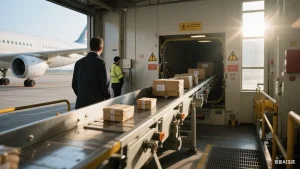
The landscape of global trade is undergoing a seismic shift driven by digitization, changing geopolitical factors, and the urgent need for supply chain transparency. Chinese manufacturers and exporters are transitioning away from basic contract manufacturing toward offering comprehensive product ecosystems. Operating at this scale requires a robust China Wholesale E-commerce Strategy that connects production capabilities directly to global enterprise demands.
Modern global procurement goes beyond sourcing; it centers on compliance, linguistic alignment, and integration. Today's international buyers—ranging from medical device distributors to industrial construction teams—seek partners who offer clear technical parameters, standardized product quality, and compliant documentation across borders. A key component of this trade dynamic is translation and localization. Without precise language services, complex technical catalogs fail to meet international regulatory standards.
B2B buyers research across multiple digital touchpoints. An effective export strategy must align trade portals, direct-to-enterprise sites, and localized content pipelines to capture intent across search channels.
Exporters must adapt to varying regional standards, including EU MDR, US FDA, and localized ISO certifications. Precise documentation is essential for smooth customs clearance and product verification.
Semantic search algorithms favor sites with clear intent structure. Utilizing precise, industry-specific localized terminology is critical to appearing in global search results.
Founded in 2002, Shanghai Flash Translation Co., Ltd. has established itself as a key partner in the global translation and localization industry, drawing on more than 20 years of experience serving major multinational corporations. With a deep foundation in pharmaceutical development and linguistic services, we deliver world-class translation, regulatory review, and compliance solutions tailored specifically for the pharmaceutical, clinical, medical device, and biotech sectors.
As a comprehensive language service provider, Shanghai Flash Translation Co., Ltd. offers a broad portfolio of solutions, including document translation, Machine Translation Post-Editing (MTPE), interpretation, regulatory support, localization, technical copywriting, and intellectual property (IP) services. Our linguistic capabilities cover more than 100 languages, with specialized expertise in Asian languages to support your global communication and export needs.
At Shanghai Flash Translation Co., Ltd., we focus on delivery models that support your broader business objectives. We help exporters and manufacturers secure international regulatory compliance, protect brand clarity, and accelerate global market entry. Our workflows balance speed and accuracy to help partners meet demanding market timelines.
Our network includes experienced translators, subject-matter experts, and regulatory consultants specialized in life sciences, engineering, and cross-border trade. We maintain rigorous standards through our certifications in ISO 9001, ISO 17100, and ISO 13485, validating our quality management and operational processes.
To scale localization effectively, we invest in translation technology. From translation management systems (TMS) to AI-assisted quality control, our infrastructure helps ensure consistency across large-scale catalogs. We combine translation tools with domain expertise to provide content that meets global regulatory requirements and aligns with regional market expectations.
Combining physical manufacturing excellence with advanced technical translation and compliance processes.
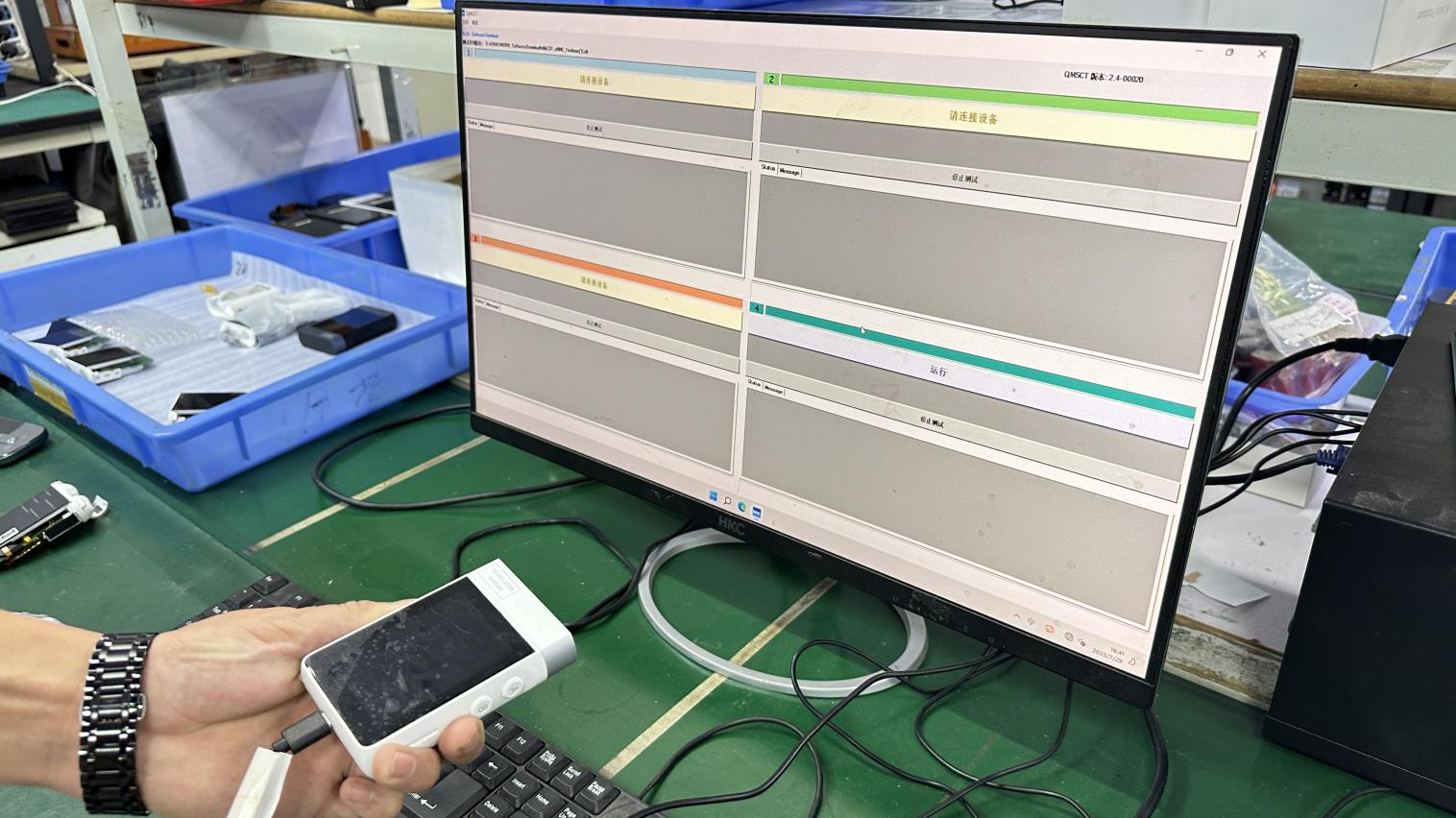
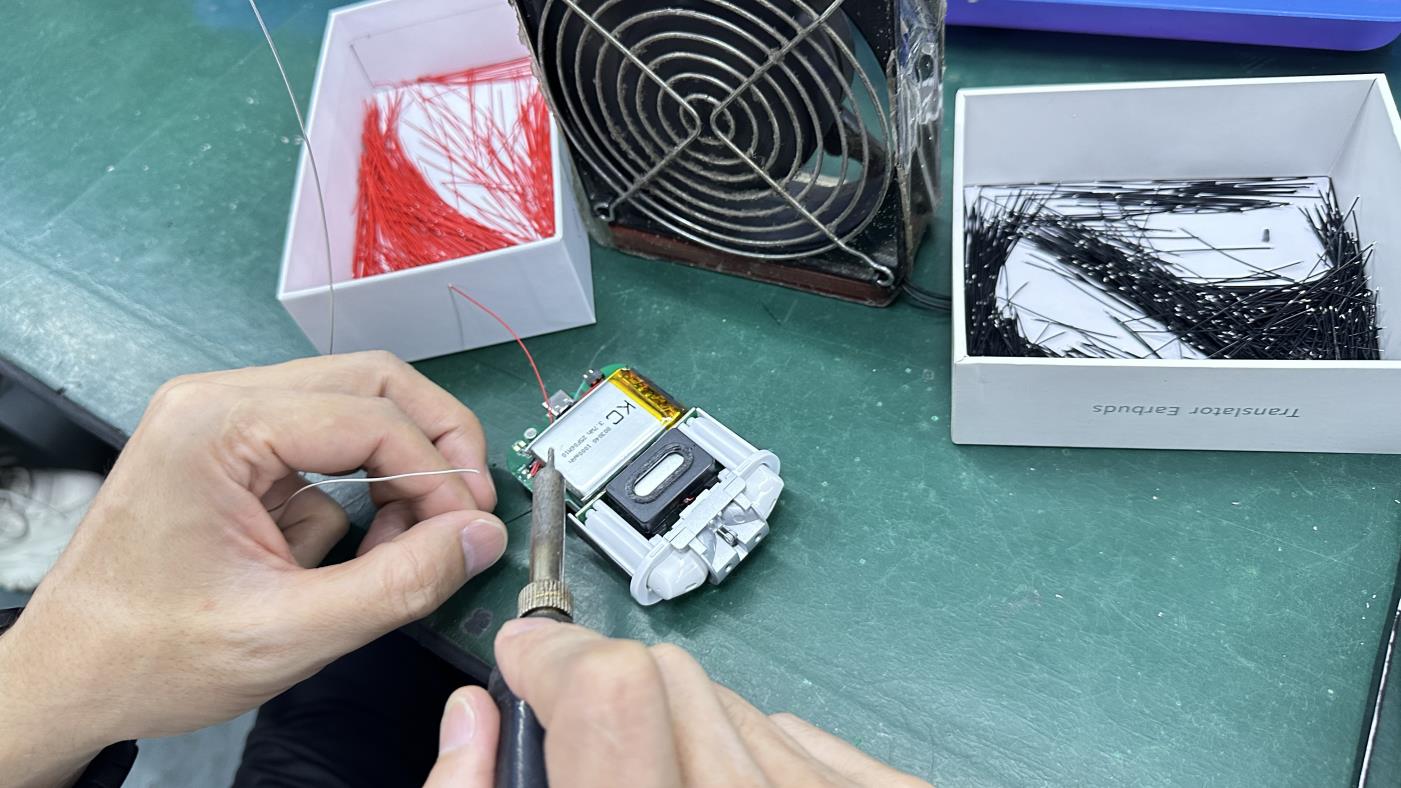
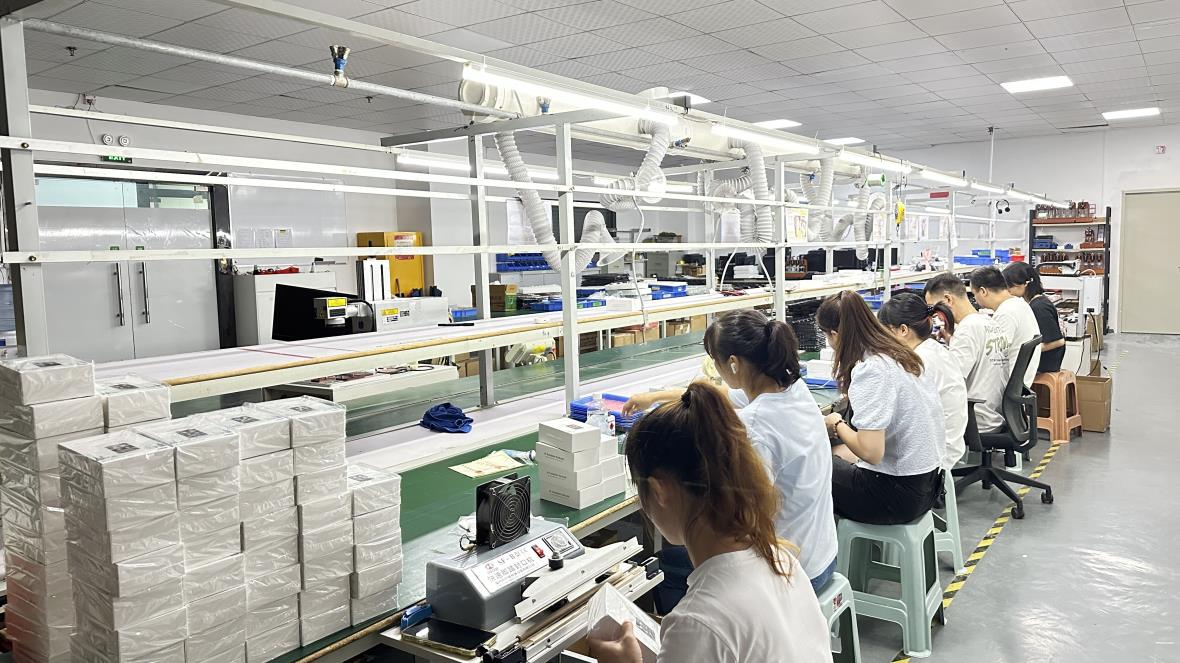
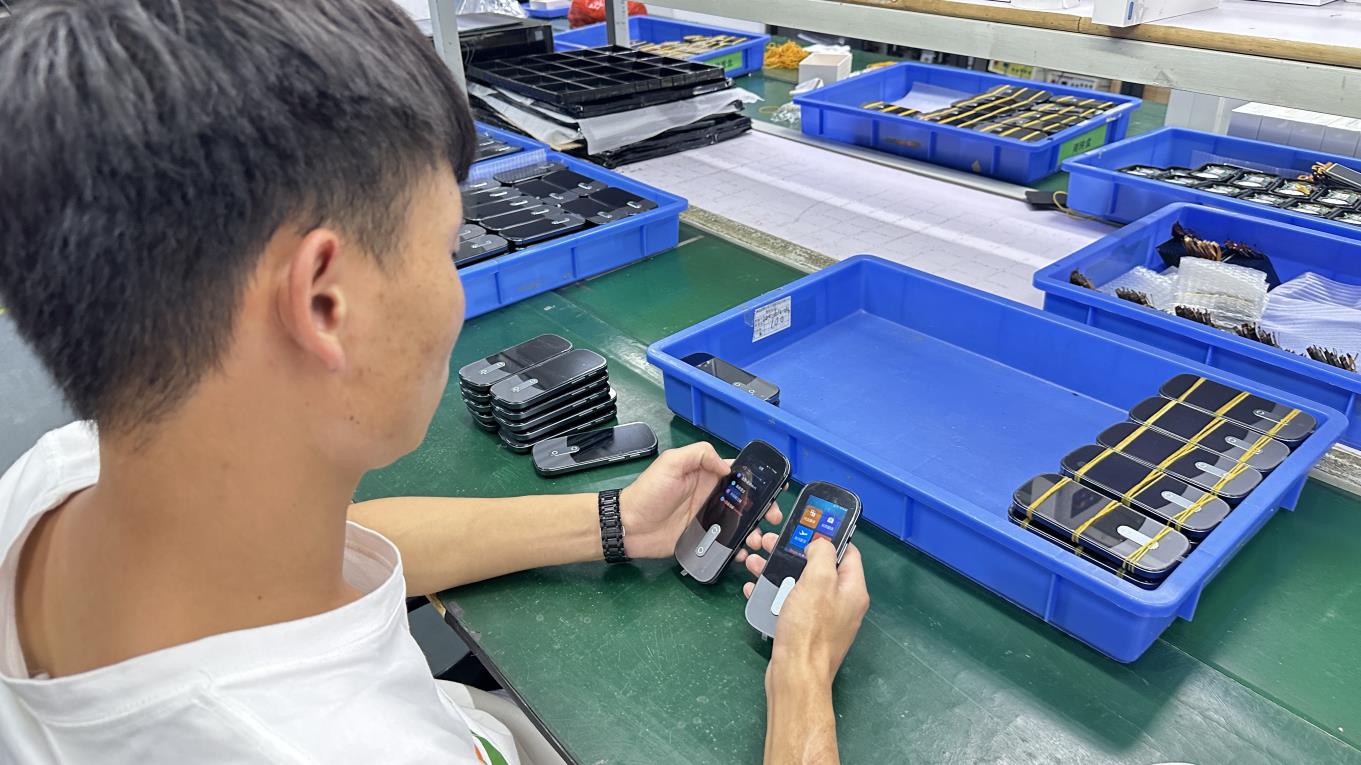
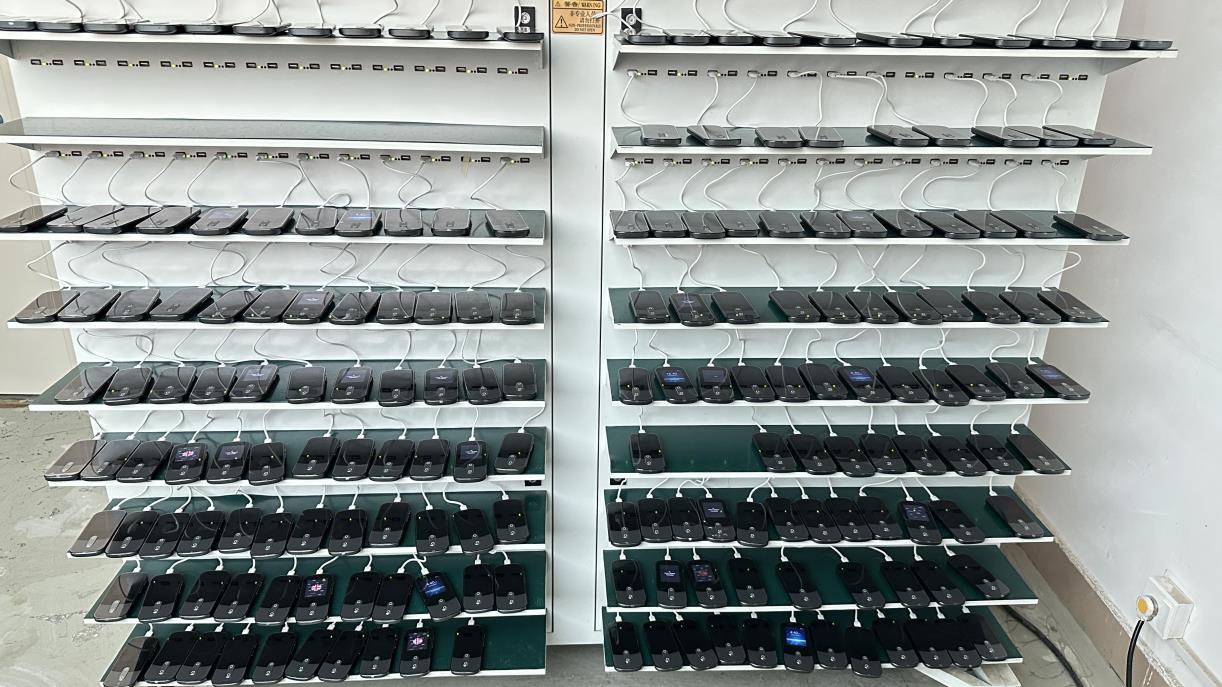
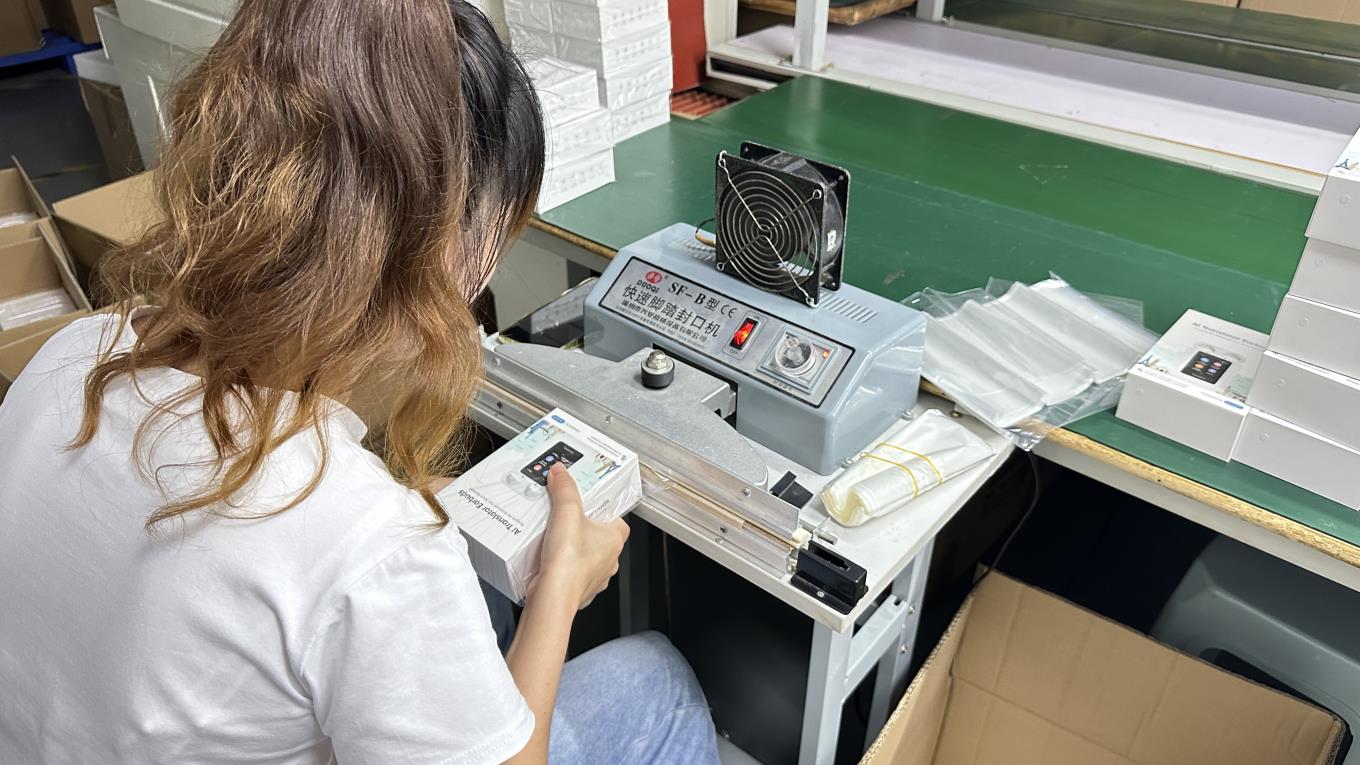
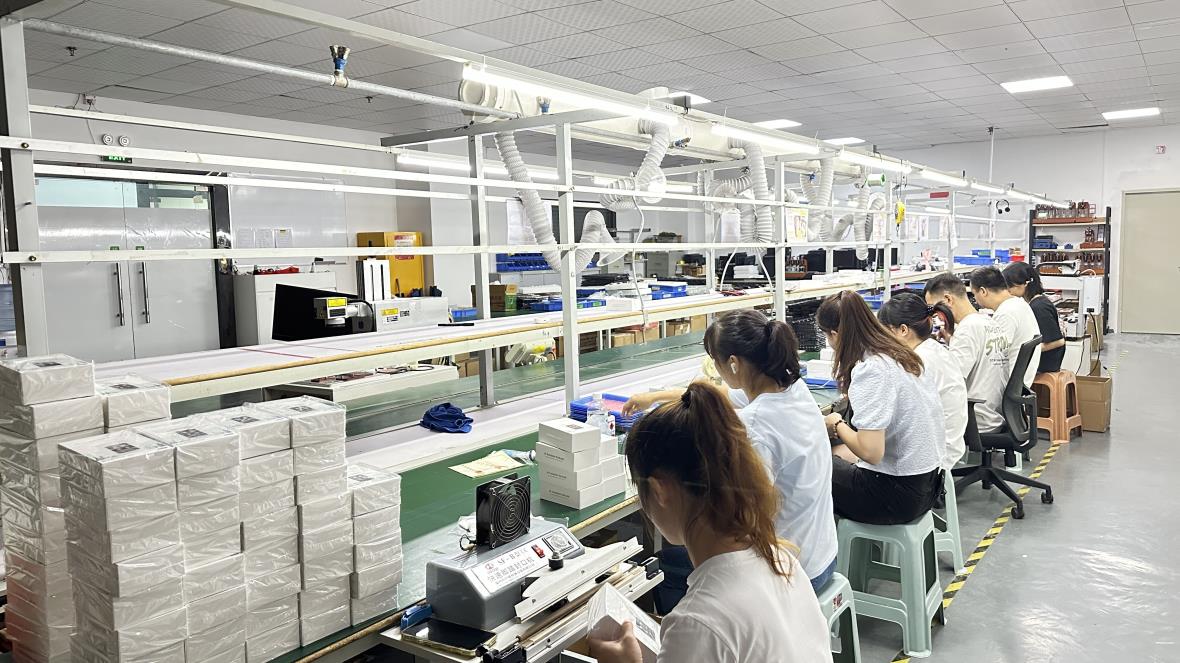
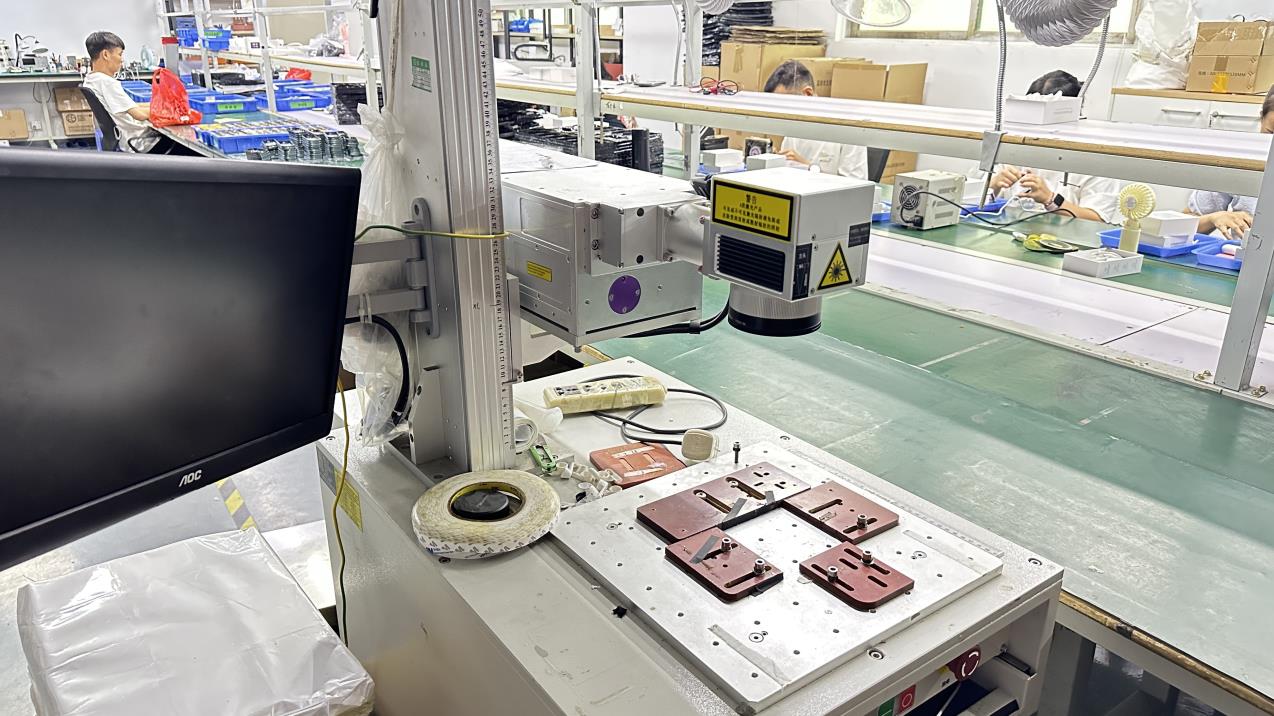
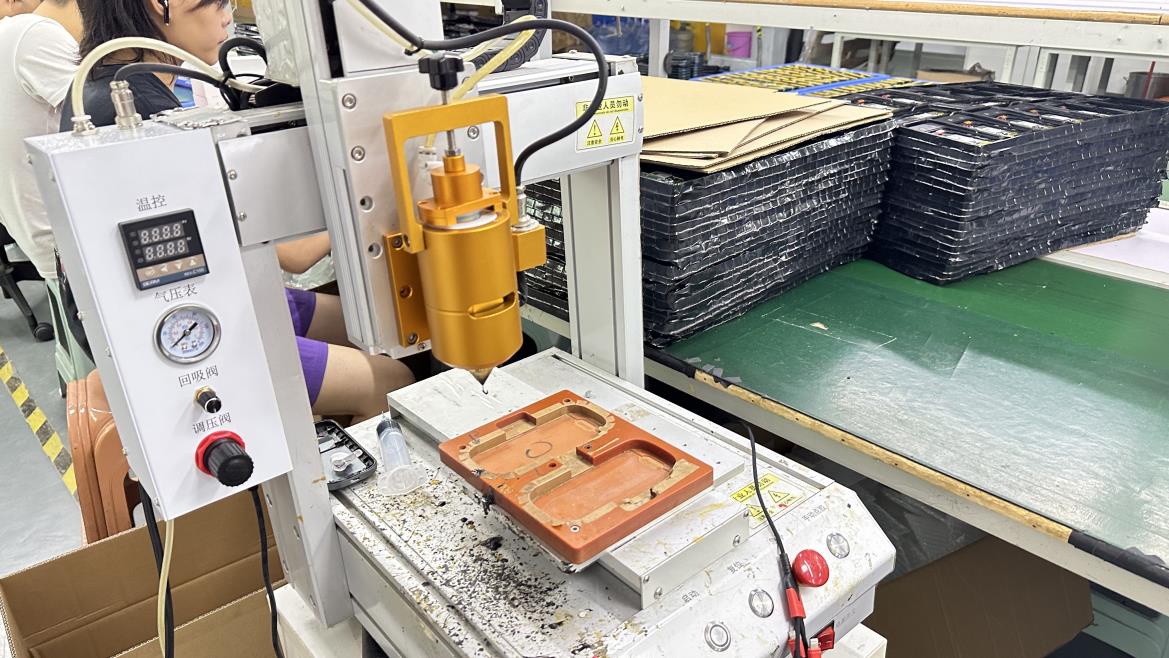
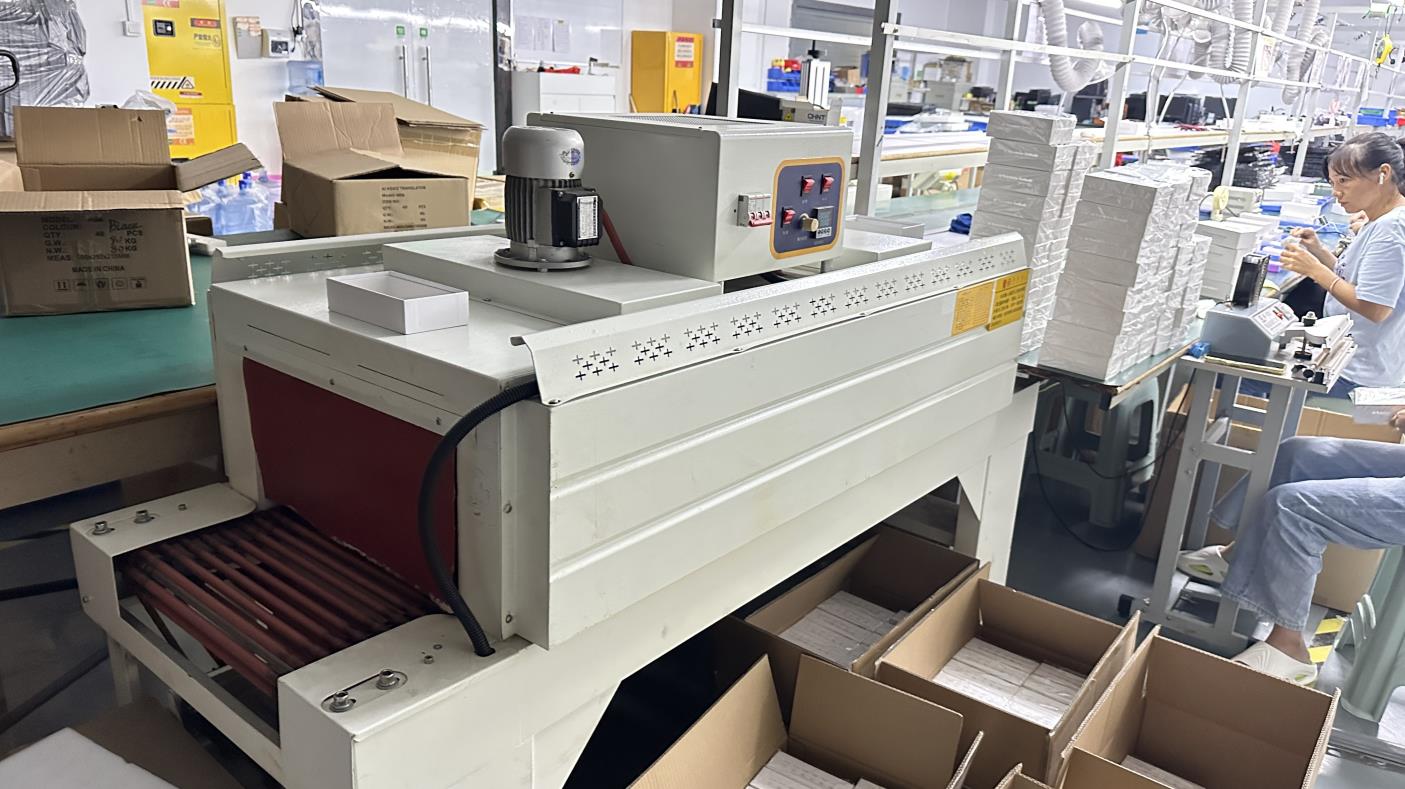
A B2B e-commerce strategy requires adapting to the procurement workflows of different industries. Each sector operates under specific localization and technical communication requirements:
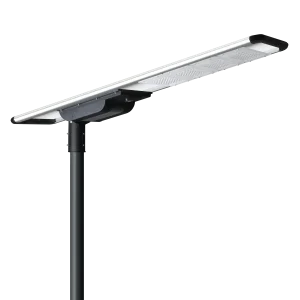
Exporters of systems like solar street lights face strict certification requirements from local municipal bodies and environmental regulators. We translate and localize technical datasheets, wind-resistance calculations, and solar efficiency studies to help meet municipal bidding requirements in target regions.
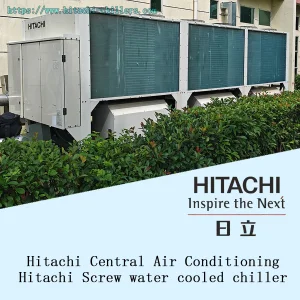
For complex systems like high-efficiency screw chillers, precision is critical. Working instructions, patent documentation (e.g. for compressor designs), and software interfaces require accurate technical translation. Misaligned manuals can lead to installation errors or operational issues, highlighting the importance of specialized translation support.
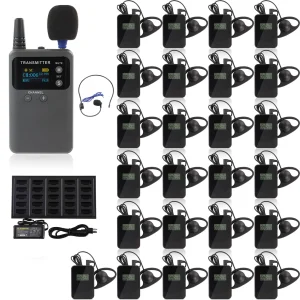
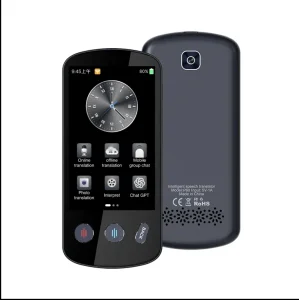
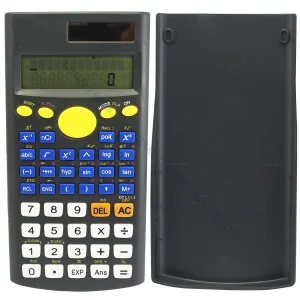
For fast-moving electronics and personal devices, packaging and user manuals must align with local safety, RF emission, and hazardous substance (RoHS) standards. Clear local documentation is essential for regulatory approval, consumer safety, and retail listing.
This roadmap outlines how exporters can transition from baseline logistics toward a comprehensive, localized digital footprint.
Conduct audits of target markets to identify regional certifications, standard variations, and labeling laws. Establish initial terminology databases.
Structure web catalogs using clear B2B schemas and translate materials with MTPE workflows. Validate terminology against local search trends.
Integrate translation memory tools into product information management (PIM) software to enable real-time updates for multilingual catalogs.
Addressing key operational challenges in international trade, translation standards, and regulatory compliance.



 Flash Translation