Decoding the Future of Global Content Engagement
In the era of hyper-globalization, Multimedia Localization has transitioned from a supportive translation task to a core strategic pillar for international enterprise growth. As video content, interactive e-learning modules, and digital entertainment dominate global consumption, the demand for sophisticated localization services—what we term "The Localization Factory" model—has skyrocketed. This shift necessitates a move beyond simple subtitling toward a comprehensive engineering approach that integrates linguistic expertise with advanced audio-visual post-production.
Leading China-based exporters and localization powerhouses are now at the forefront of this transformation. By leveraging Information Gain through proprietary AI workflows and deep-domain expertise in sectors like pharmaceuticals, manufacturing, and technology, these entities are not just translating words; they are re-engineering the user experience for disparate cultural landscapes. This white paper explores how top-tier Chinese factories are redefining supply chain resilience and efficiency in the multimedia domain.
Optimizing content for user intent, ensuring discoverability across global search engines using advanced linguistic mapping.
Standardized, high-throughput localization pipelines that treat language assets with the precision of high-tech manufacturing.
Adhering to rigorous ISO standards and Google's Quality Rater Guidelines to establish authority and trust in technical content.
Analyzing the $60 Billion Localization Market Opportunity
The global enterprise sector is witnessing a shift where video has become the primary medium for training, sales, and internal communication. This "Video-First" paradigm requires localization that goes beyond text; it involves voiceover dubbing, localized motion graphics, and cultural adaptation of visual cues. Companies procuring these services are no longer looking for "translators" but for "media engineering partners."
Machine Translation Post-Editing (MTPE) has evolved. Today's top Chinese localization factories utilize proprietary Large Language Models (LLMs) specifically trained on industry vertical data. This allows for massive scale with human-in-the-loop quality control, significantly reducing Time-to-Market (TTM) for global product launches.
Just as physical manufacturing moved toward "Just-in-Time" delivery, the digital supply chain for localization now demands 24/7 operability. China's infrastructure—combining high-speed digital networks with a vast pool of tech-savvy linguistic talent—offers a unique efficiency advantage. This resilience ensures that even during global disruptions, the flow of information remains uninterrupted.
A Case Study in Industry Excellence and Professionalism
Founded in 2002, Shanghai Flash Translation Co., Ltd. has rapidly emerged as a key player in the global translation and localization industry, leveraging over two decades of experience in leading multinational corporations. With a strong foundation in pharmaceutical development and linguistic services, the company is dedicated to delivering world-class translation, regulatory review, and compliance solutions tailored specifically for the pharmaceutical, clinical, medical device, and biotech sectors.
As an organization committed to providing comprehensive services, Shanghai Flash Translation Co., Ltd. has expanded its expertise to cover a wide array of solutions. These include language translation, Machine Translation Post-Editing (MTPE), interpretation, regulatory services, localization, copywriting, intellectual property (IP) services, and more. The company’s linguistic proficiency extends across more than 100 languages, with a specialized focus on Asian languages, positioning us as your trusted global communication partner.
At Shanghai Flash Translation Co., Ltd., we believe in providing value-driven solutions that go beyond transactional relationships. Our focus is on achieving strategic outcomes that are in alignment with your business goals. Whether it’s facilitating international regulatory compliance, ensuring timely and accurate translations, or supporting your global market expansion efforts, we are committed to delivering services that create long-term value.
Our emphasis on swift project delivery ensures that even the most urgent deadlines are met, without compromising on quality or accuracy. The company is home to a team of highly experienced translators, subject-matter experts, and regulatory professionals who are well-versed in the complexities of the medical, pharmaceutical, and life sciences industries. This expert knowledge is reinforced by our adherence to the highest quality standards, as evidenced by our certifications in ISO 9001, ISO 17100, and ISO 13485.
The Engineering Behind Precision Localization
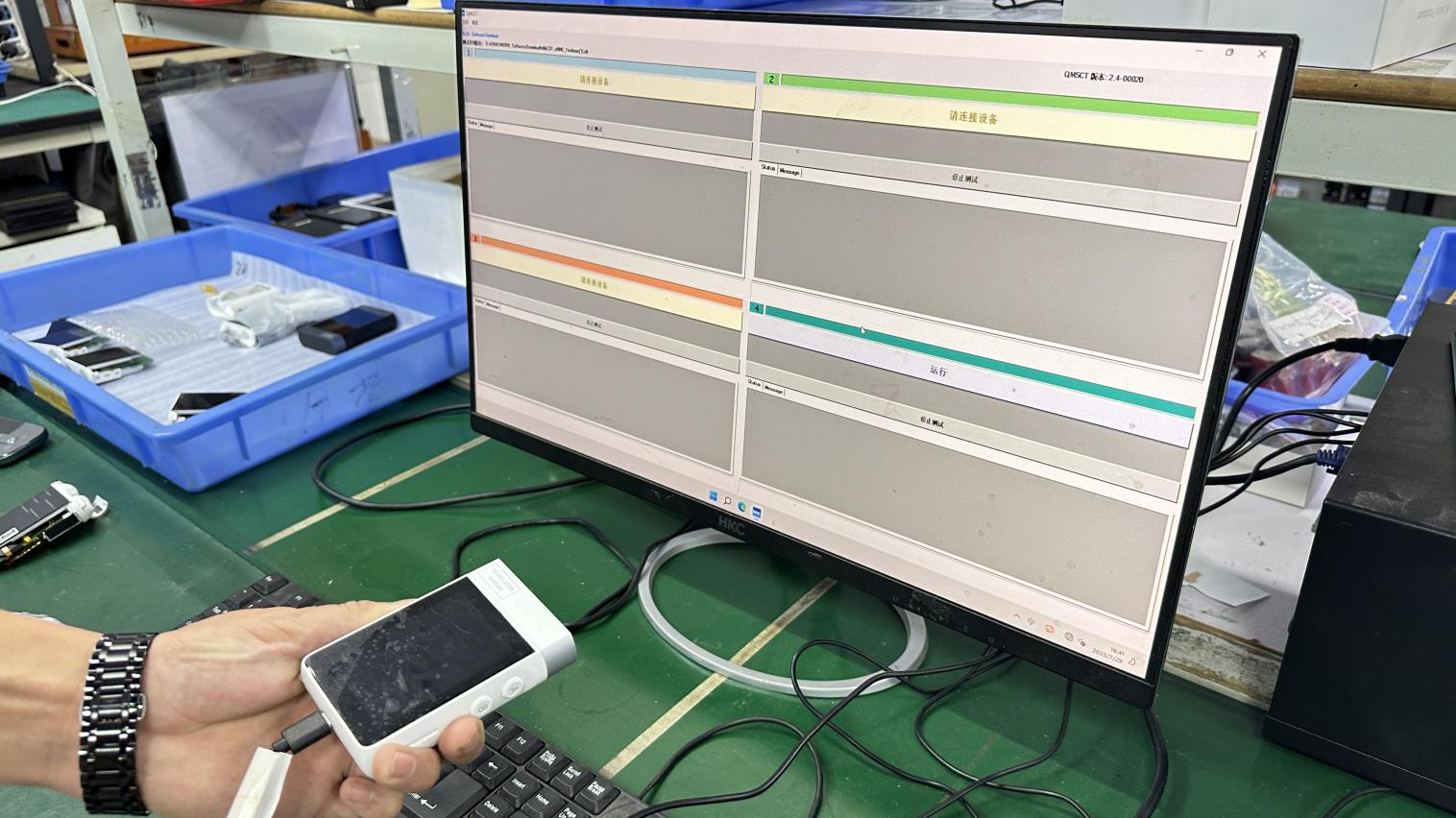
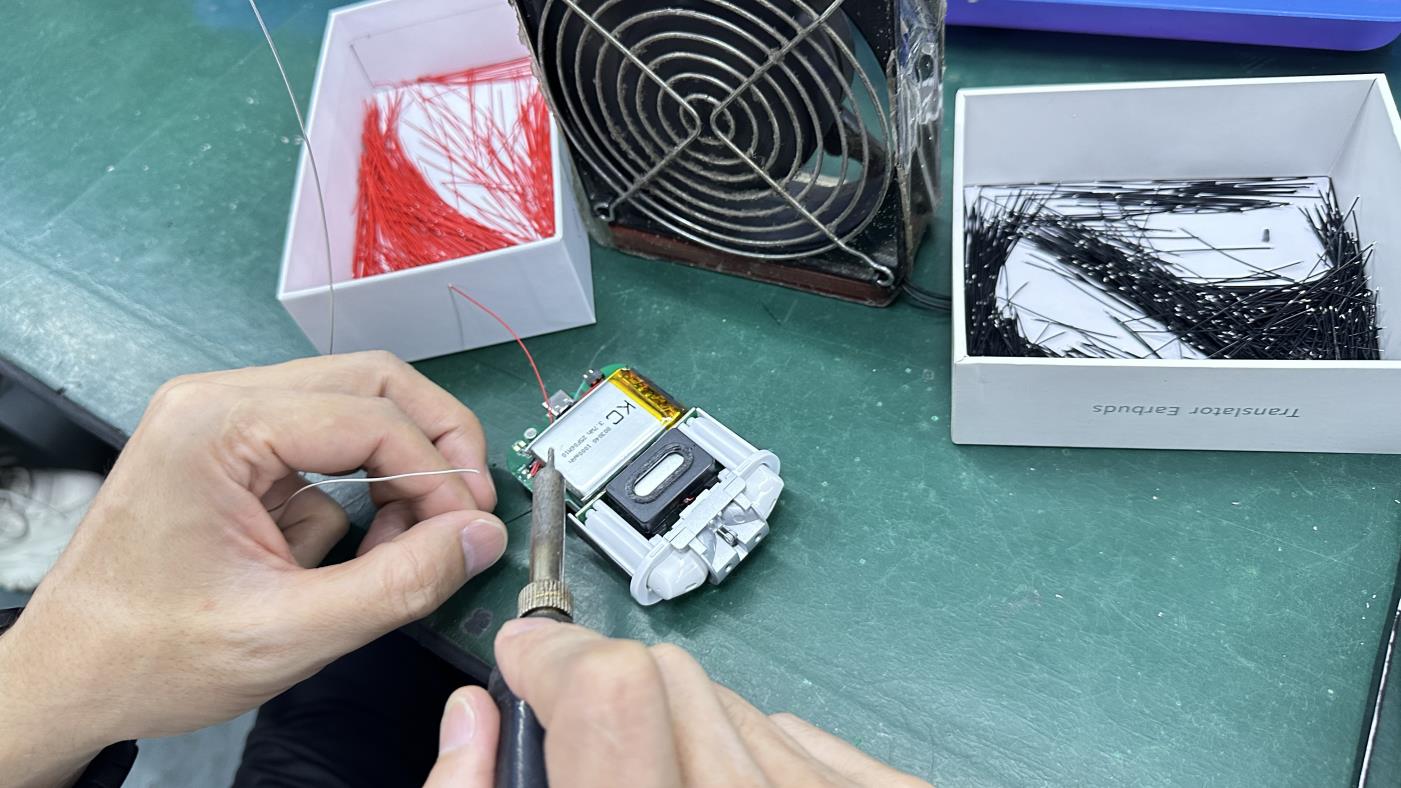
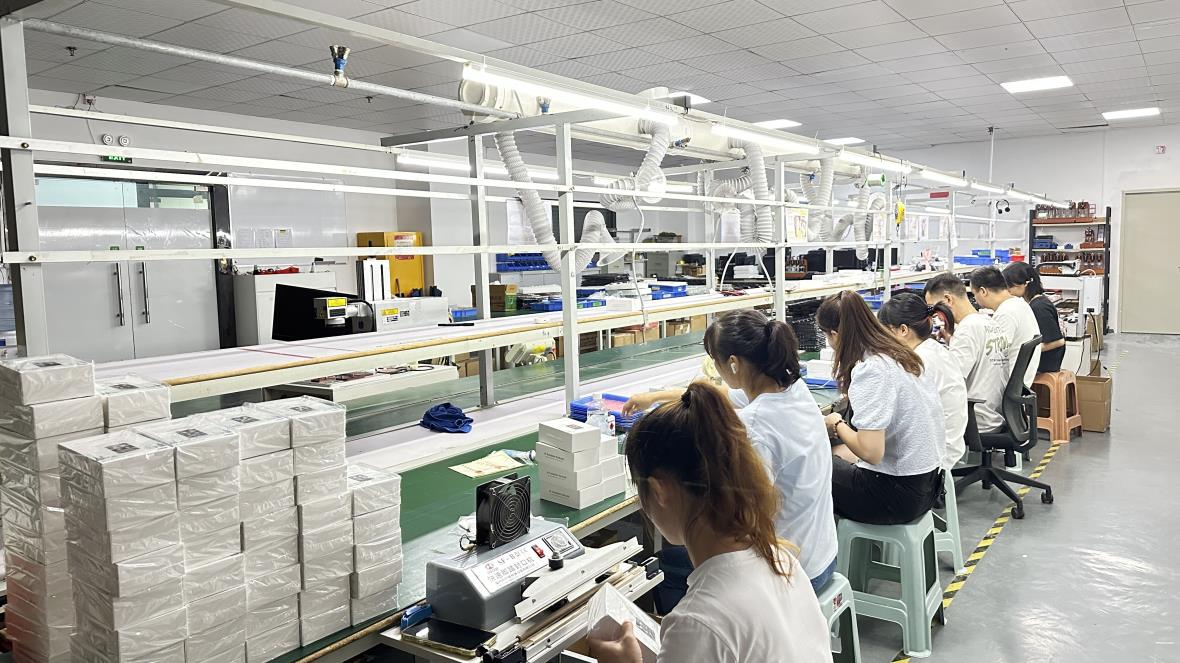
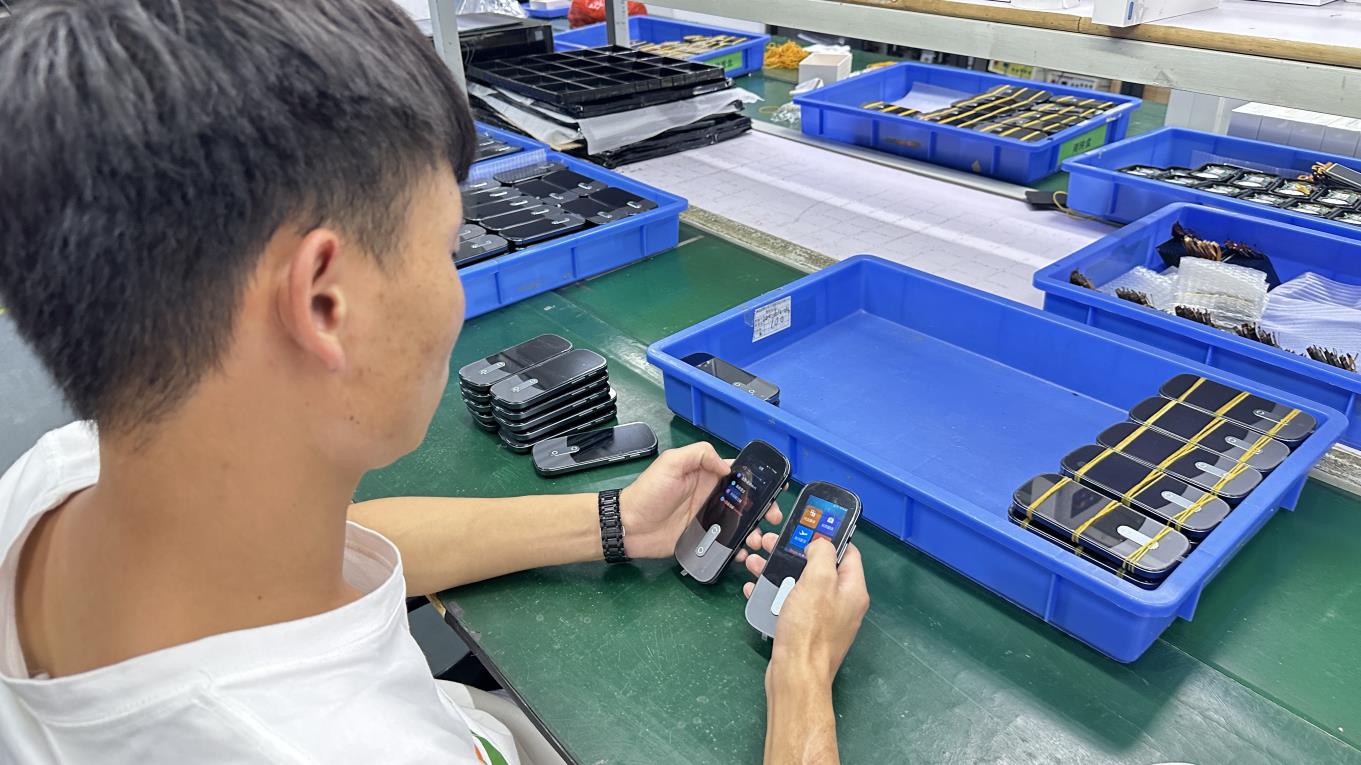
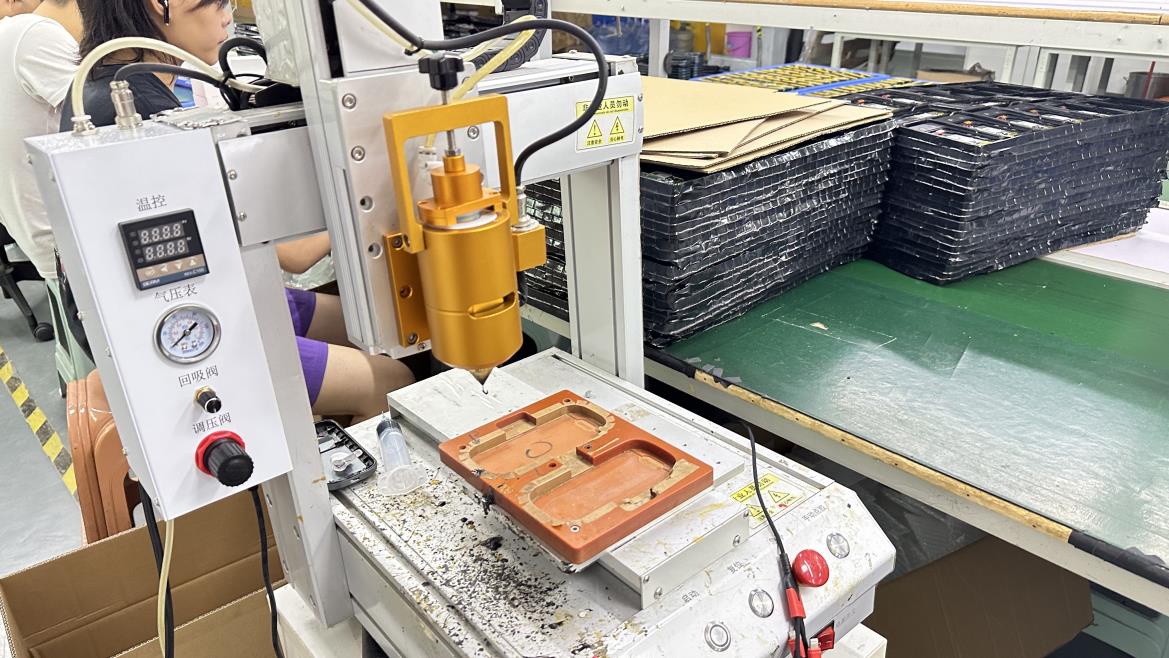
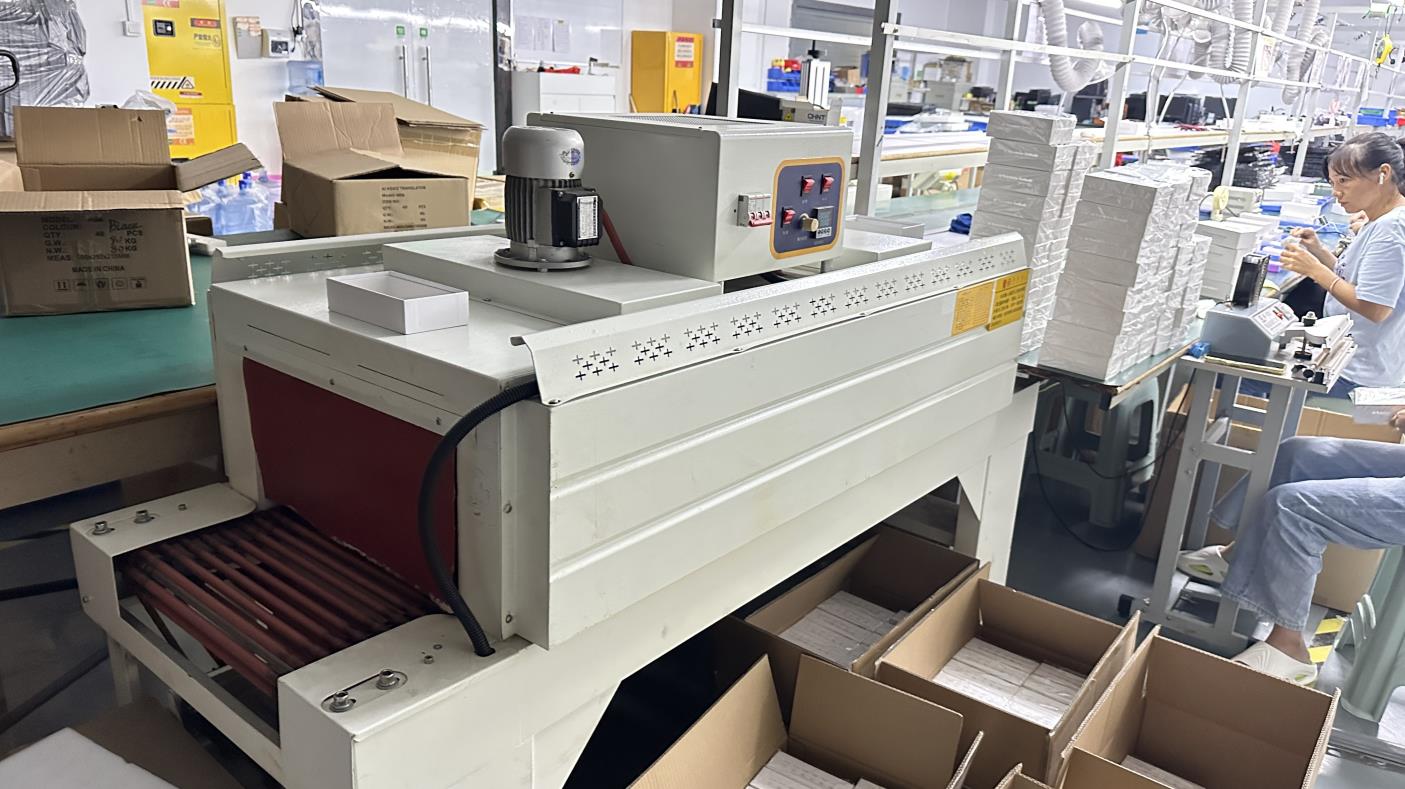
We consistently invest in cutting-edge technologies to enhance the accuracy, efficiency, and scalability of our services. From advanced translation management systems to AI-powered quality control processes, we ensure that every project is executed with the utmost precision. This enables us to deliver precise translations that meet global compliance standards and satisfy market-specific requirements. Our holistic approach ensures that your message is not only accurately translated but also strategically aligned with the latest industry regulations and best practices.
Where Technology Meets Culture
Localized patient recruitment videos, training modules for medical devices, and regulatory compliance multimedia for international health authorities.
Safety instruction videos, factory floor operation animations, and localized technical manuals for global equipment distribution.
Global workforce training, diversity and inclusion modules, and leadership development content adapted for regional cultural nuances.
Answering Your Critical Concerns about Multimedia Localization
 Flash Translation