Optimized localization, trade compliance, and technical data sheets tailored for the Pacific maritime supply chain.
In an increasingly interconnected global trade network, the Micronesian subregion—specifically the Republic of Kiribati—represents a unique economic landscape. Consisting of 32 atolls and one raised coral island dispersed over 3.5 million square kilometers of ocean, Kiribati poses geographical and logistical obstacles unlike any other market. As local agencies, fisheries, and agricultural operations seek high-grade bio-chemical reagents, pharmaceutical precursors, and manufacturing technologies, the imperative for accurate, legally compliant, and culturally resonant communications becomes absolute.
This is where Shanghai Flash Translation Co., Ltd. steps in. Founded in 2002, our company has built a reputation over more than two decades by serving international corporations with translation, regulatory review, and copywriting solutions. We specialize in life sciences, chemical formulation, and industrial manufacturing, and we have customized our language transcreation pipeline to bridge the gap between global manufacturers and South Pacific distribution partners.
At Shanghai Flash Translation Co., Ltd., we focus on delivering long-term strategic value. Our work supports compliance, clear marketing copy, and streamlined import operations for partners in Kiribati. We balance speed and precision through a team of subject-matter experts, professional linguists, and regulatory specialists who understand the terminology of the chemical and pharmaceutical industries. Our operations are governed by ISO 9001 (Quality Management System), ISO 17100 (Translation Services), and ISO 13485 (Medical Devices Quality Management) certifications, ensuring reliable service delivery.
Kiribati's economy depends on fishing licenses, copra cultivation, external development assistance, and international imports for critical commodities. As the country works to upgrade its public health systems and increase agricultural productivity on sandy coral soils, local enterprises require specialized chemicals, biostimulants, and health products. The import process for these materials is heavily regulated to protect vulnerable island ecosystems.
This dynamic makes localized transcreation essential. Translating documentation for agricultural aids, food additives, or pharmaceutical raw materials into local contexts requires adapting technical specifications, safety data, and usage instructions to match the local language conventions and operating realities of the region.
Standard translation converts text word-for-word, which can result in overly literal and confusing copy when dealing with complex chemical or medical materials. Transcreation, however, adapts the core message to retain its intent, tone, and technical accuracy while matching the local dialect, cultural norms, and regulatory terms of the destination market.
We use a combination of advanced translation management systems, terminological databases, and human review to deliver accurate translations. By managing specialized translation memories, we maintain consistency across safety data sheets (SDS), product labels, and compliance certificates, helping businesses streamline the clearance of critical materials through the port of Betio in Tarawa.
This process supports the export of high-purity chemical compounds. By ensuring all technical documentation and marketing copy are accurate, clear, and compliant, we help companies supply the Kiribati market with the materials required for local health, agriculture, and infrastructure projects.
Technical transcreation and document compliance services are available for all of the following supply lines.
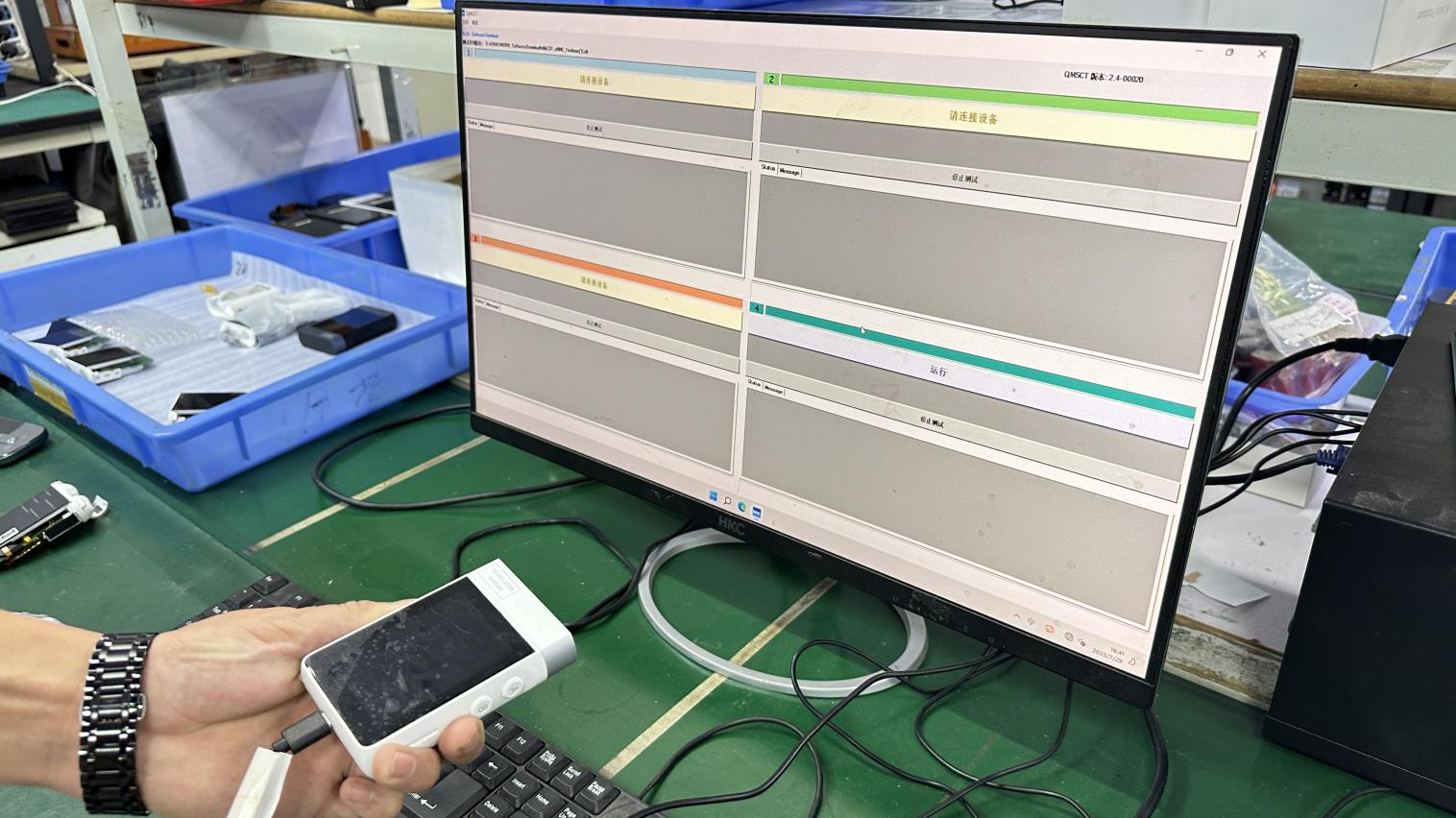
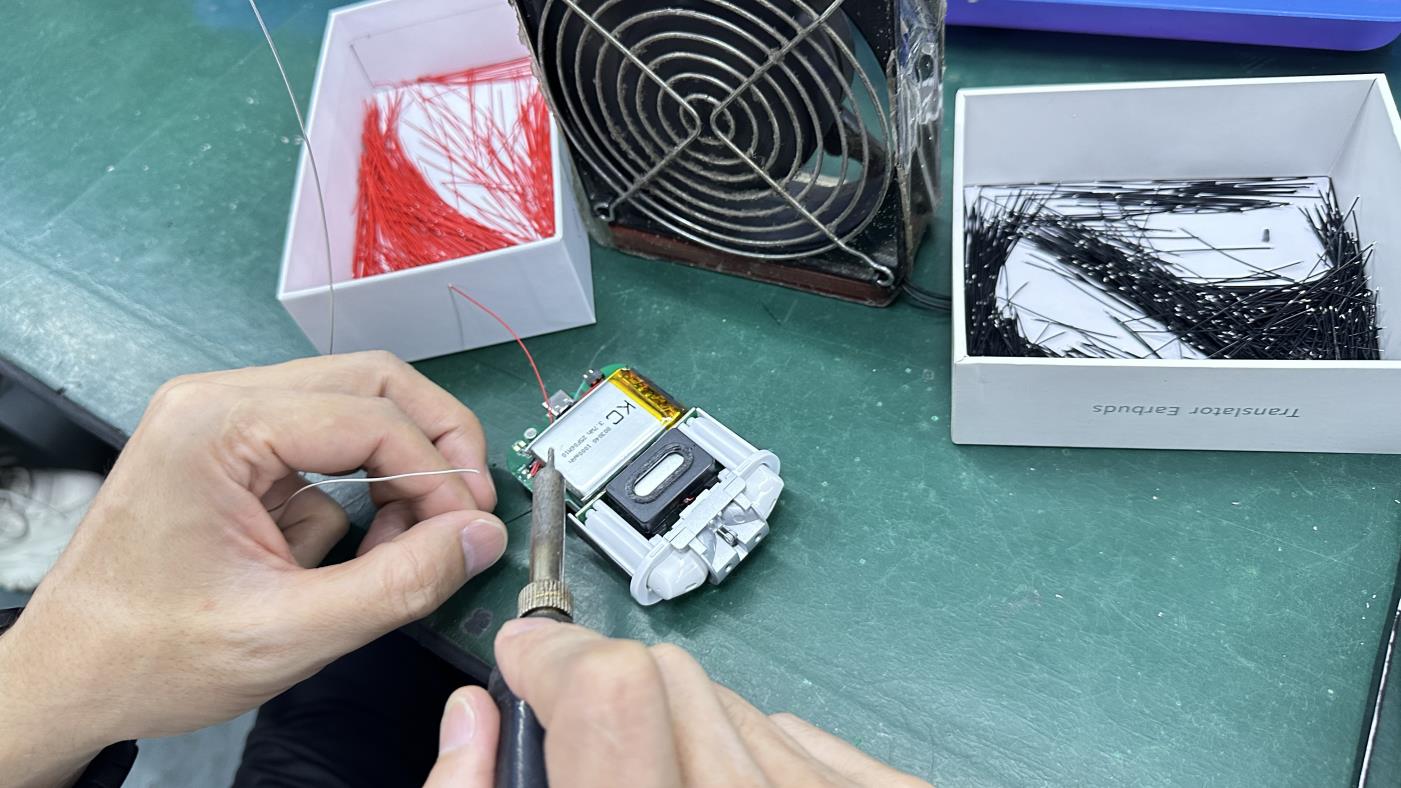
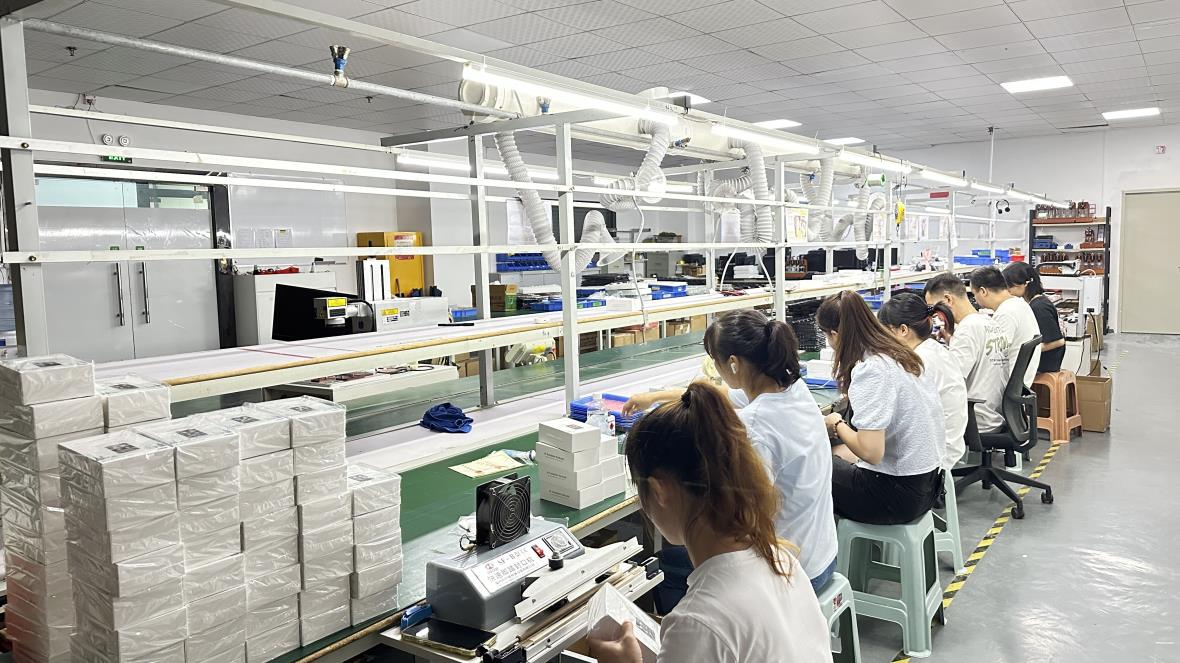
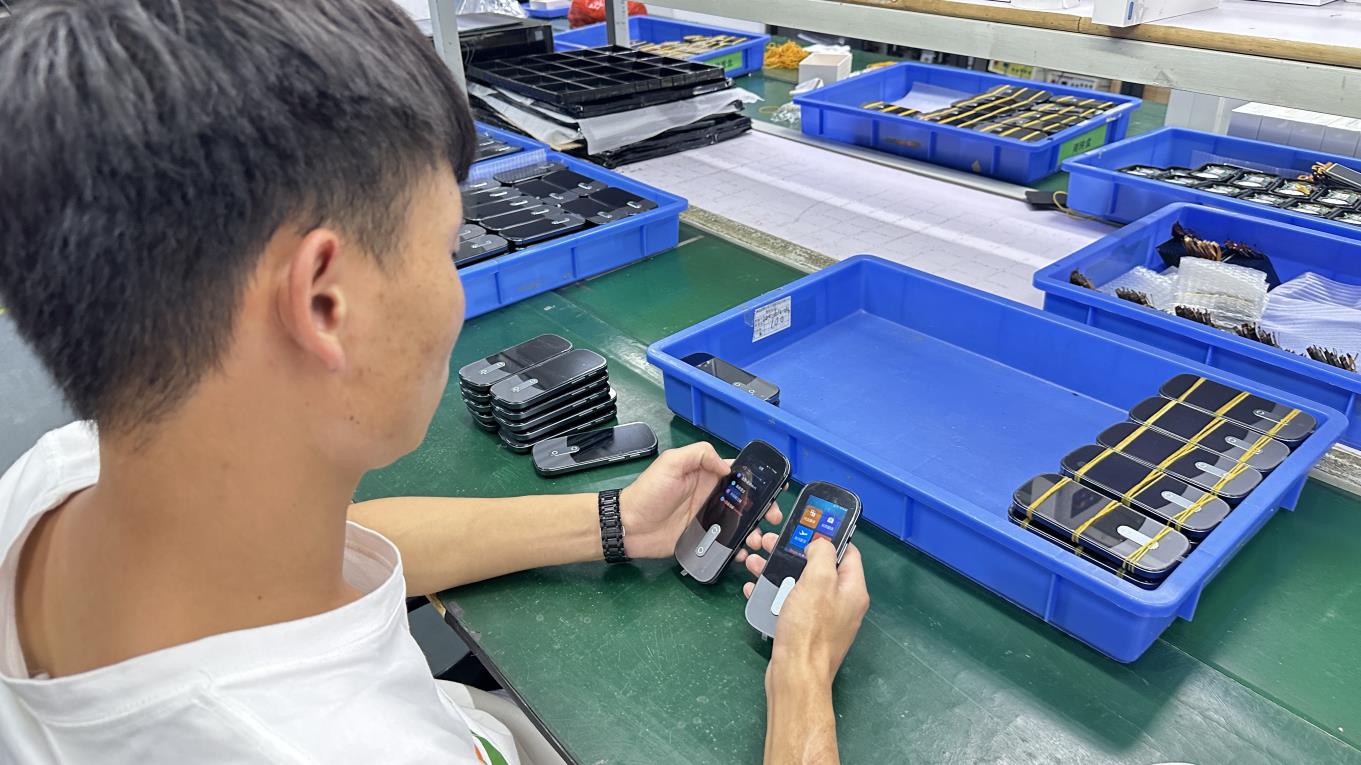
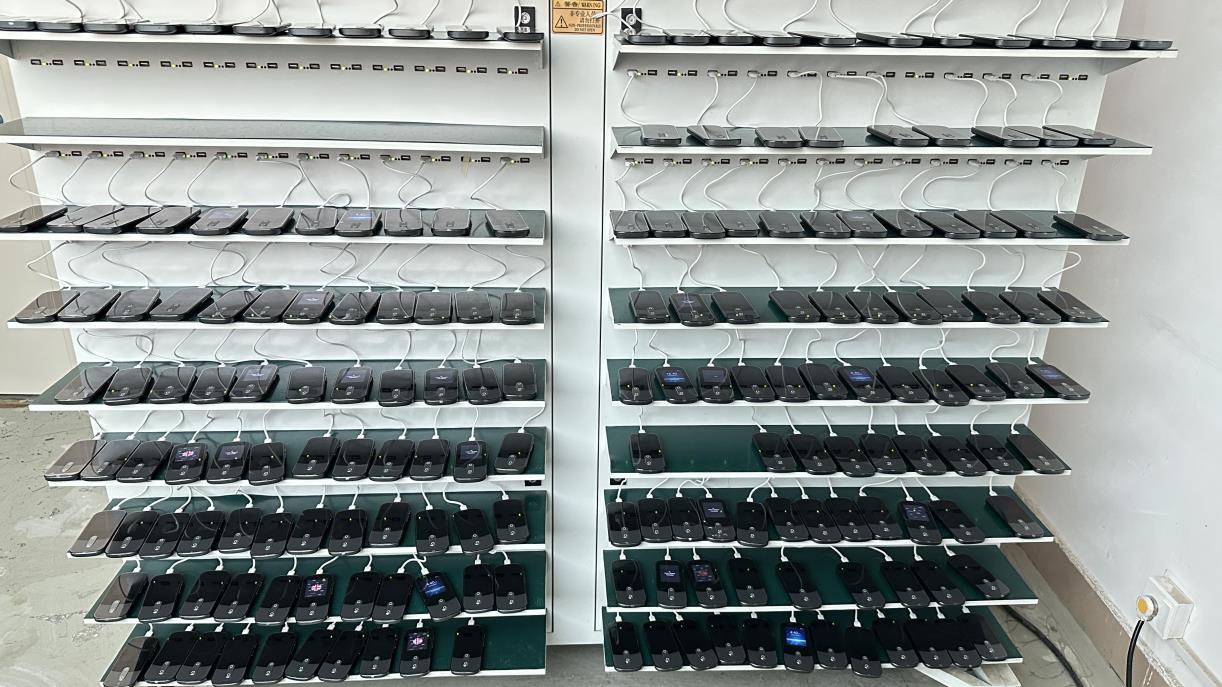
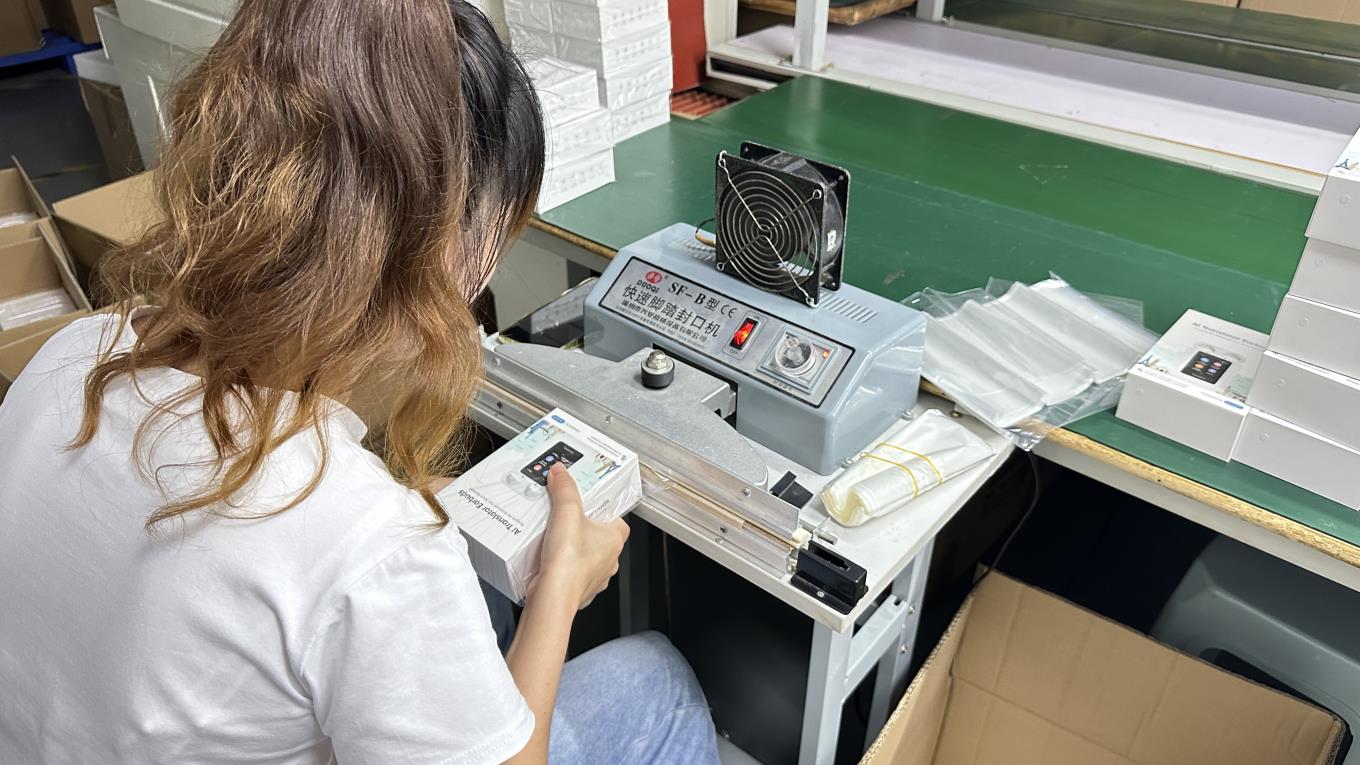
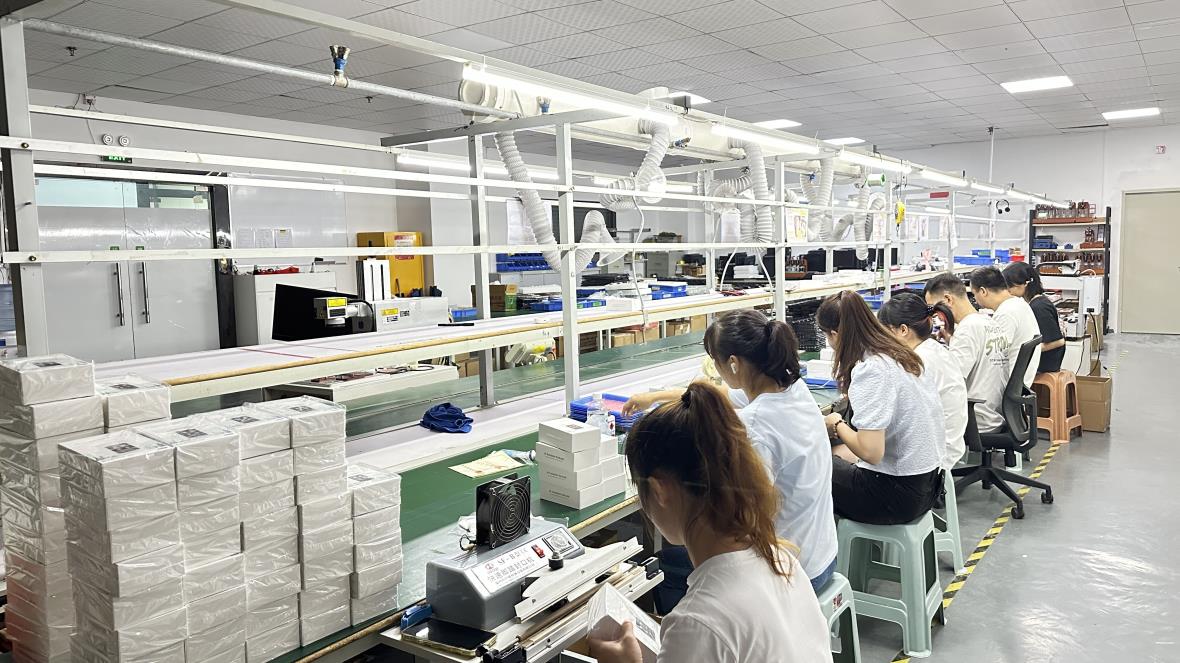
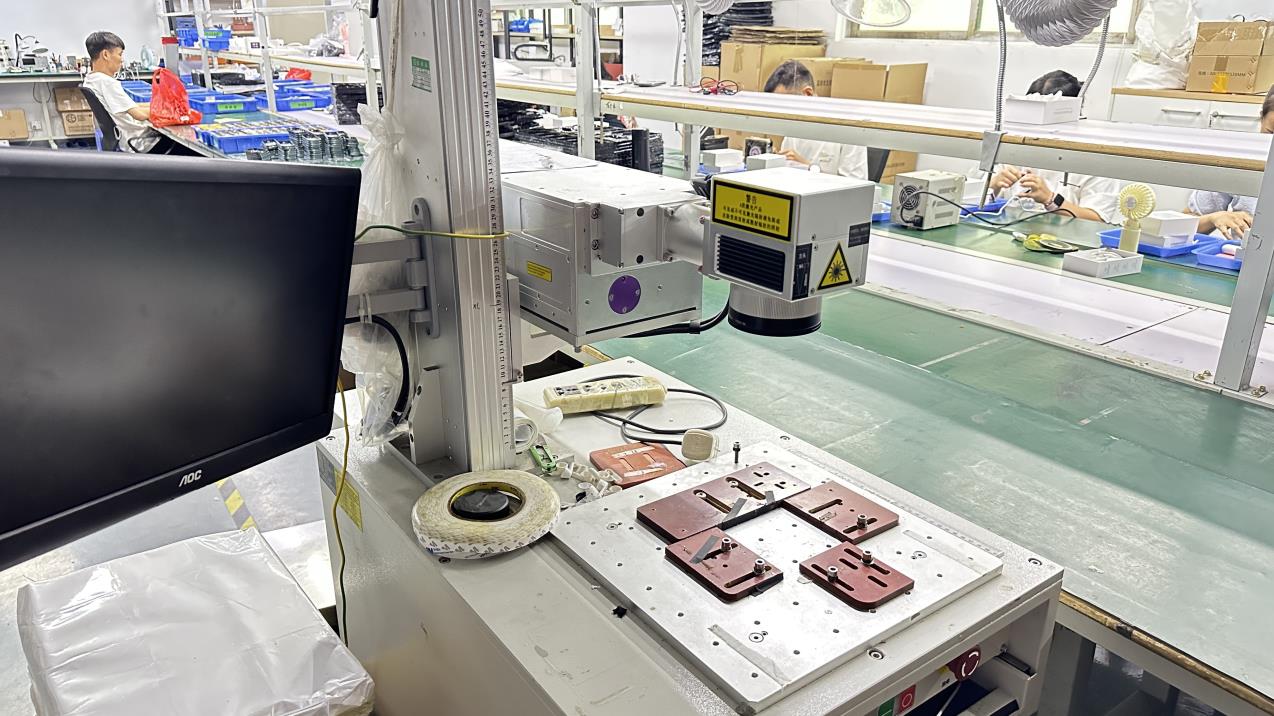
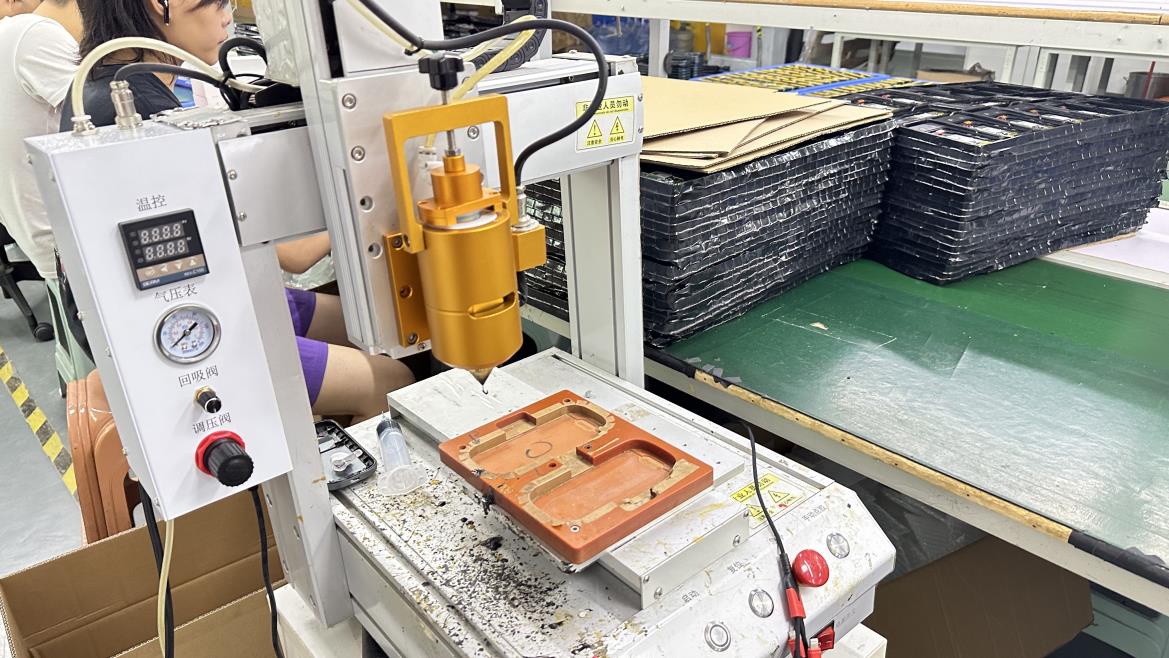
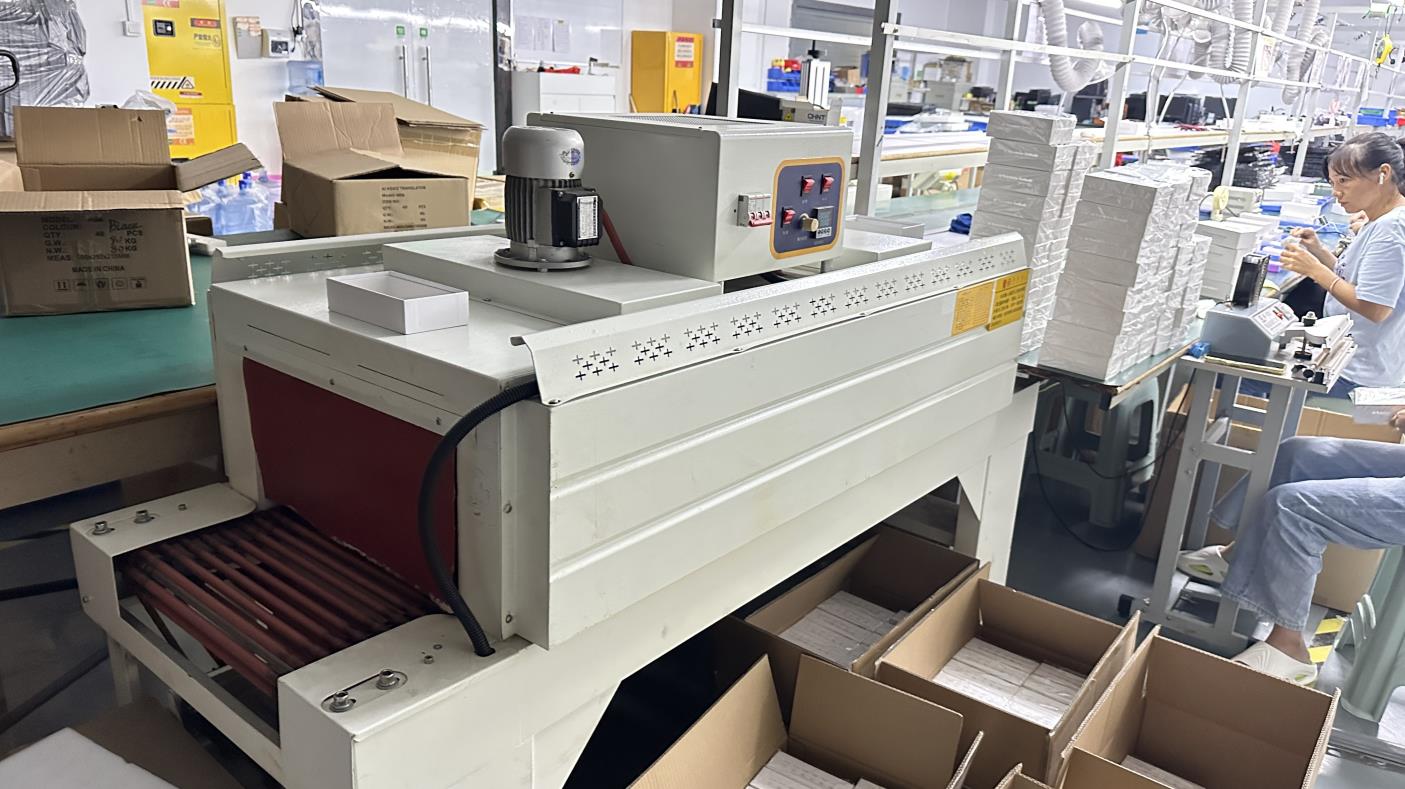
How our physical manufacturing setups and language QA processes work together to ensure reliable delivery of products and documentation.
Several key trends shape the localization landscape for exports to markets like Kiribati:
Providing clear answers to common questions about localized technical translation, transcreation, and product compliance for the Kiribati market.
All products include localized technical manuals, safety data sheets, and custom clearing documentation adapted for Kiribati importers.
 Flash Translation